Microorganisms in a sample
A microbiome test reviews microorganisms detected in a collected sample. For gut testing, this usually means a stool sample that is analyzed to create an educational report.

Learning centre
A microbiome test is a sample-based test that helps you learn more about the microorganisms found in a specific part of the body, most often the gut when people are comparing at-home gut microbiome testing.
For Canadian visitors, the main question is usually practical: what does the kit test, how is the sample collected, what does the report show, and how should the results be understood without treating them as a medical diagnosis?

A microbiome test reviews microorganisms detected in a collected sample. For gut testing, this usually means a stool sample that is analyzed to create an educational report.
Many reports discuss microbial groups, relative abundance, and diversity. To learn more about this idea, read the guide on microbiome diversity.
The goal is not to diagnose disease. The goal is to give you educational context that can help you understand gut microbiome patterns, food-related themes, and report sections.
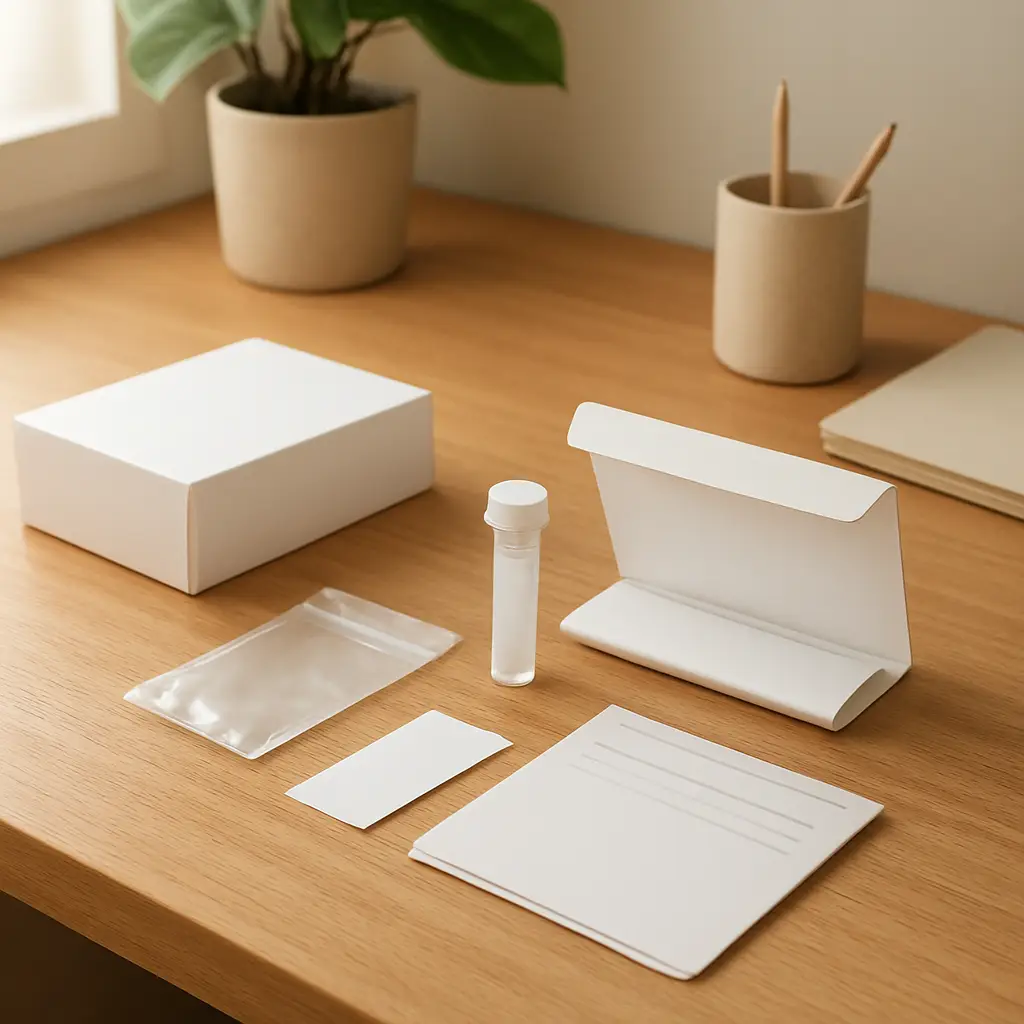
An at-home microbiome test is designed to make sample collection easier outside a clinic setting. You order a kit, follow the collection instructions, prepare the sample for return, and wait for the lab process to be completed.
The exact steps can vary by provider, so it helps to review the full how it works page before ordering. That page explains the basic path from ordering to collection, return shipping, and report access.
Before buying, compare the sample report, read about microbiome test results, check shipping details, and review privacy and data. These pages help you understand the full testing experience before checkout.
A gut microbiome report may list different bacterial groups found in the sample. These names should be read as part of the whole report, not as single answers on their own.
Some reports include diversity-related sections that help explain how varied the detected microbial community appears within the limits of the test.
Reports may include general food or routine-related guidance. For background reading, visit the guide on foods for the gut microbiome.
A consumer microbiome test should not be used to diagnose IBS, infections, inflammatory conditions, allergies, mental health conditions, or other medical concerns. It is not a replacement for clinical assessment.
This distinction matters because microbiome science is complex. A report may help you learn about patterns, but symptoms and treatment decisions should be discussed with a qualified healthcare professional.

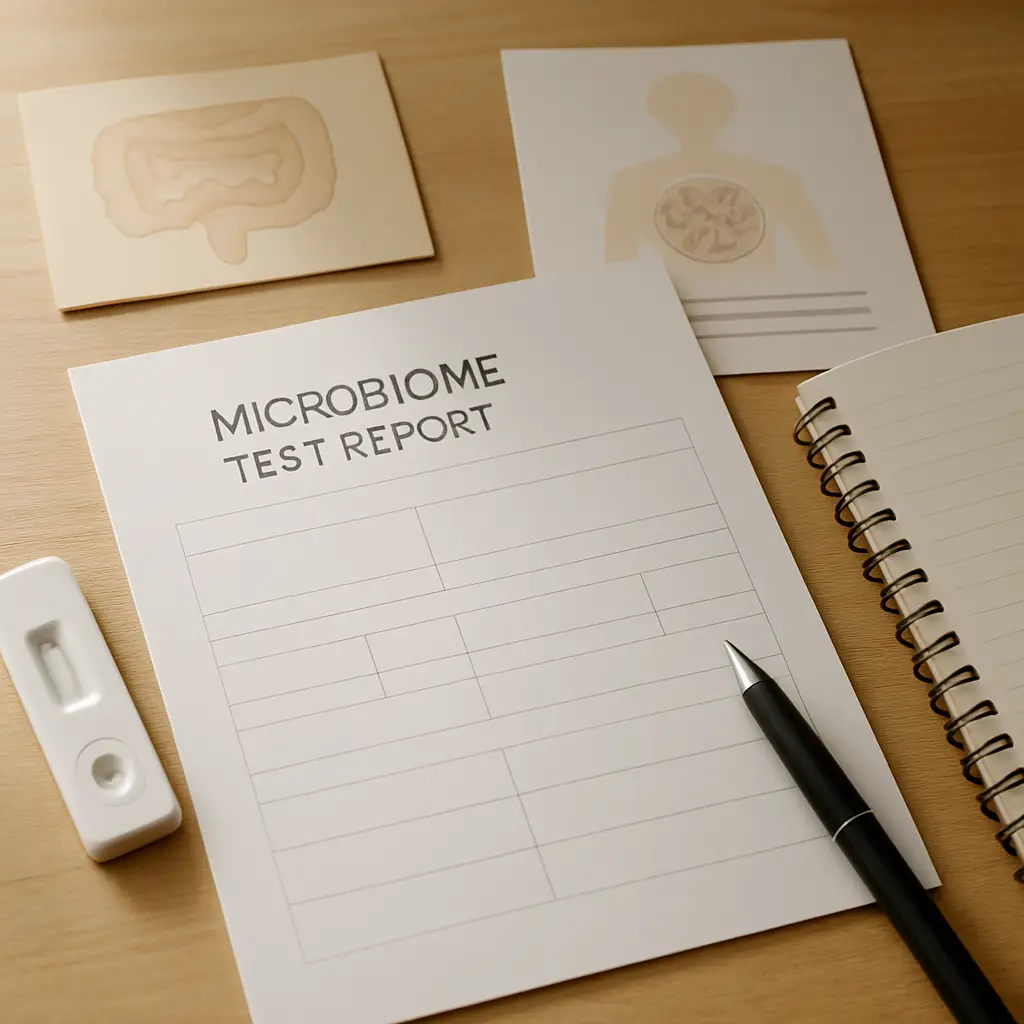
A sample report is one of the best pages to check before ordering because it shows the type of information you may receive. It can help you judge whether the report feels clear, practical, and easy to understand.
Instead of buying based only on a product description, review the sample microbiome report and compare it with the microbiome test cost in Canada page so you understand both the report format and the value behind the kit.
Microbiome testing may be useful for people who want a clearer educational snapshot of their gut microbiome, are comparing diet changes, are reviewing probiotic use, or want to better understand report-based gut health terms.
It may also help people ask better questions before making routine changes. Still, a test should be treated as one source of information, not the final answer for symptoms or medical decisions.
Some people use testing to compare a baseline with later changes. Read more about microbiome testing before and after diet change.
Antibiotics can affect gut microbiome patterns. If this is your reason for testing, review microbiome and antibiotics before choosing timing.
People often compare testing with supplement choices. The guides on prebiotics vs probiotics and microbiome test for probiotics can help.
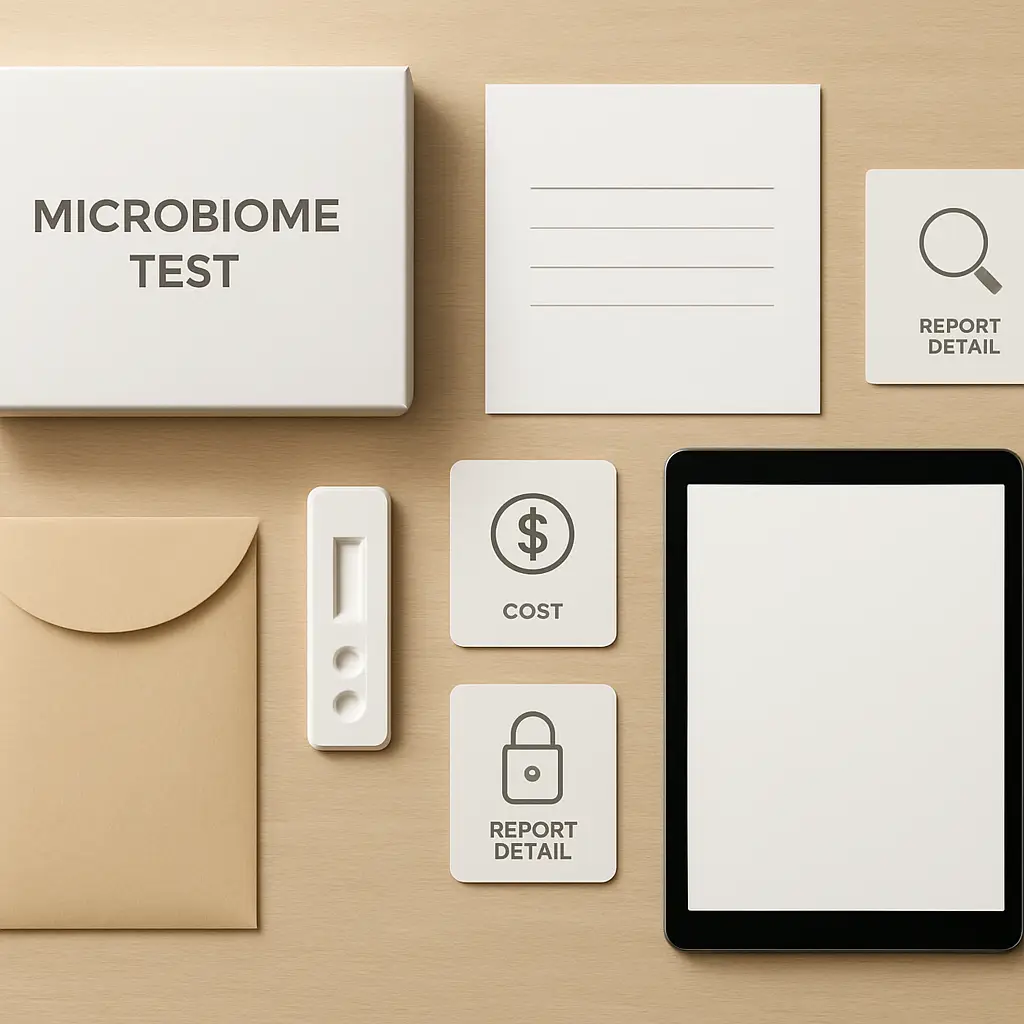
A useful comparison should look beyond the price. It should review what the kit includes, how the sample is collected, what the report explains, whether the report is beginner-friendly, how shipping works, and how data questions are handled.
For more comparison help, read microbiome test kit comparison Canada, best microbiome test Canada, and are microbiome tests worth it.
Explore the main testing page for Canadians comparing at-home gut microbiome test kits, reports, and support details.
Learn how at-home testing works for people who want to collect a sample from home and receive report-based education.
Understand how stool sample testing fits into gut microbiome analysis and what to review before choosing a kit.
Review how results may be structured, what they can show, and how to read them with the right expectations.
Learn why accuracy depends on sample quality, lab method, reporting limits, and careful interpretation.
Check practical preparation steps before collecting your sample so the process feels more organized.
A microbiome test is a sample-based test that looks at microorganisms found in a sample. For gut microbiome testing, this is usually a stool sample used to create an educational report about detected microbial patterns.
Not always. A traditional stool test may be ordered for medical reasons, while a consumer microbiome test is usually focused on educational microbiome insights. Compare both in the guide on microbiome test vs stool test.
No. A consumer microbiome test does not diagnose gut conditions. It can provide educational context, but symptoms or health concerns should be reviewed with a qualified healthcare professional.
Review the sample report, cost page, how it works page, privacy information, shipping details, and FAQ. This gives you a clearer view of what is included before ordering.
Beginners can start with microbiome testing for beginners, then review sample report and how it works.
Start by reviewing the main testing page, checking how the kit works, and comparing the sample report before ordering. Clear expectations make the testing process easier to follow.
Explore Gut Microbiome Testing
You can also open the sample report, check shipping, or compare microbiome test cost.