Less frequent stools
Some people notice that bowel movements happen much less often than usual. Frequency is useful context, but frequency alone does not identify the reason for the change.

A gut microbiome test can provide educational information about bacteria detected in a stool sample, but it cannot tell you why you are constipated. Constipation can involve stool frequency, hard or difficult-to-pass stools, straining, or a feeling of incomplete emptying, and several different factors may contribute.
Quick answer: Research links bowel transit and stool consistency with differences in the fecal microbiome. That makes interpretation especially important: a microbial pattern may be associated with slower transit without proving what caused your constipation.
People use the word constipation for different experiences. Describing the pattern clearly is more useful than assuming one microbiome result can explain every form of difficult bowel movement.
Some people notice that bowel movements happen much less often than usual. Frequency is useful context, but frequency alone does not identify the reason for the change.
Stool consistency matters because firmer stools can occur with slower bowel transit. Consistency is also associated with fecal microbiome composition, which is one reason results need careful context.
A person may have regular-looking bowel frequency but still struggle with difficult passage or significant straining. A microbiome report cannot determine why evacuation is difficult.
Feeling that a bowel movement is unfinished can be part of a constipation pattern. It is a symptom description, not something a consumer microbiome report can diagnose or explain on its own.
A stool sample represents one period of time. Recording what your bowel pattern looked like around collection can help you avoid interpreting a later report as though it describes every stage of your digestive health.
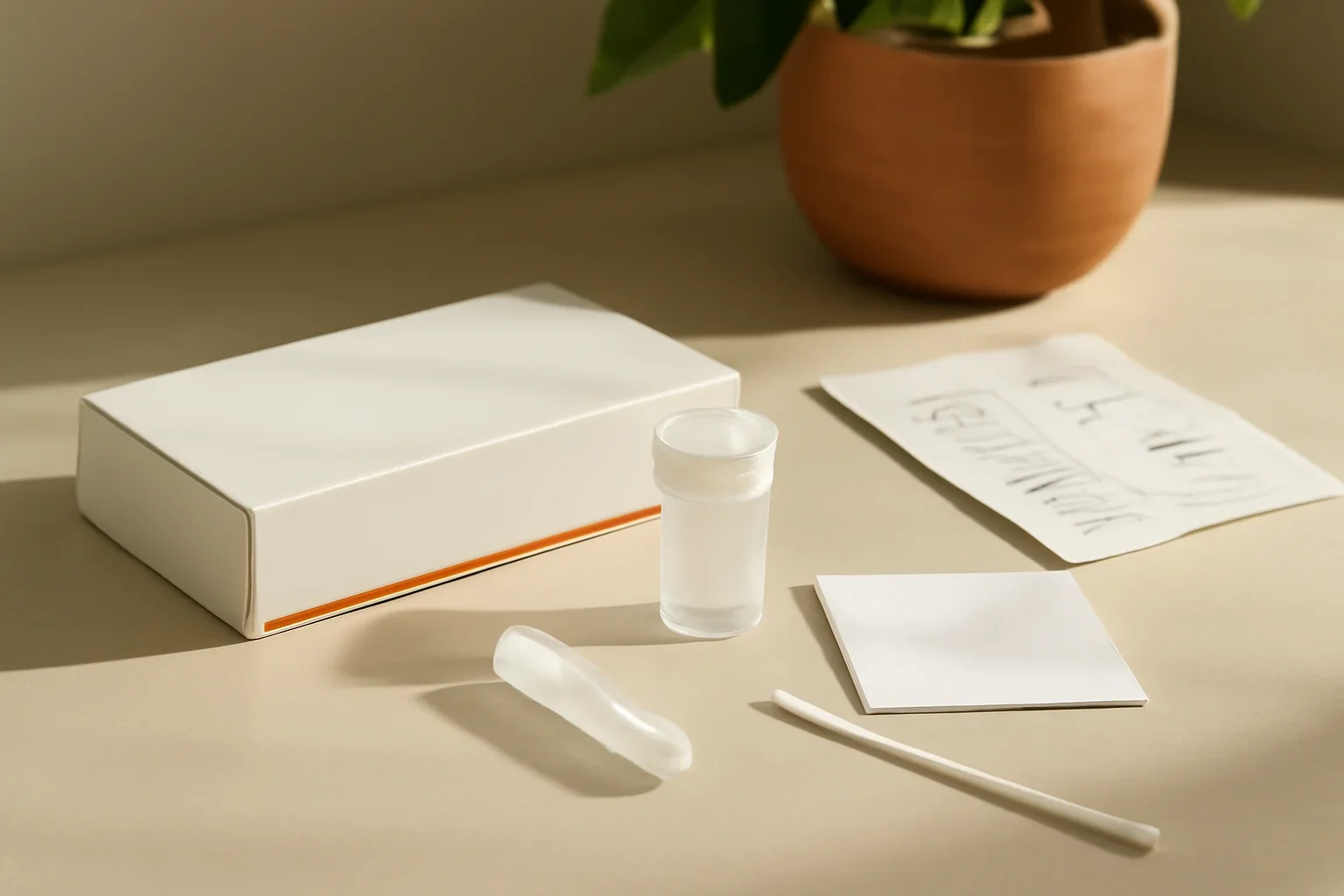
Follow the collection, packaging and return instructions supplied with your individual kit. Review how at-home microbiome testing works arrow_forward

Research has identified relationships between constipation, bowel transit and gut microbial patterns. That does not create a validated microbiome signature that diagnoses the cause of constipation in an individual consumer.
| Your question | What the report may add | What it cannot establish |
|---|---|---|
| What bacteria were detected? | The report may organize bacterial composition and related findings from the submitted stool sample. | Detection does not prove that an organism is causing slow bowel movements or difficult stool passage. |
| Does stool consistency affect the microbiome? | Research shows that stool consistency and transit time can be associated with fecal microbiome composition. | The report cannot determine whether a microbiome difference caused constipation or resulted from the bowel pattern. |
| Do I have slow-transit constipation? | A stool microbiome report may provide educational bacterial information. | It does not measure colonic transit time or diagnose a slow-transit disorder. |
| Is my diet causing constipation? | You can review microbiome findings beside your diet and bowel pattern notes. | The test cannot prove that a specific food, fibre level or eating pattern is the cause. |
| Should I start a treatment? | Results may help you form more specific questions for further discussion. | A consumer microbiome report should not determine medication, laxative, supplement or other treatment choices. |
If your goal is to understand the consumer test itself rather than obtain a constipation diagnosis, review the main gut microbiome test in Canada arrow_forward for the current testing scope and product details.
Constipation can occur alongside changes that have nothing to do with a single bacterial finding. Keeping these factors visible helps prevent the microbiome report from becoming the only explanation.
Changes in fibre intake can affect stool pattern. Increasing fibre quickly can also produce gas or bloating in some people, so avoid treating a microbiome result as a universal fibre prescription.
Hydration can be relevant to stool softness and bowel habits. Record major changes instead of assuming that a microbiome pattern explains every change in stool consistency.
Some medicines and supplements can contribute to constipation. Do not stop prescribed treatment because of a consumer microbiome report; medication questions belong with the appropriate clinician.
Physical activity, changes in routine and delaying the urge to have a bowel movement can all be relevant context. Record what changed around the time symptoms began.
A microbiome test is optional educational testing. It should not delay medical assessment when constipation is persistent, becoming more severe, or occurring with symptoms that need a broader evaluation.
Abdominal pain or swelling together with constipation, especially when accompanied by vomiting or a marked change in how you feel, deserves clinical assessment rather than waiting for an educational stool microbiome report.
Blood in the stool, rectal bleeding or unexplained weight loss are reasons to speak with a healthcare provider. A consumer microbiome test cannot determine the cause of these findings.
If constipation continues despite reasonable self-care, becomes more frequent or more severe, or represents a significant change from your usual bowel pattern, seek professional assessment.
For Canadian context, HealthLink BC advises contacting a healthcare provider for concerns including abdominal pain or swelling, blood or rectal bleeding, unexplained weight loss, vomiting, or lack of improvement after lifestyle measures. Readers in British Columbia can also use HealthLink BC constipation guidance .
The most useful interpretation keeps the sample, bowel transit, stool consistency and daily context together instead of turning one bacterial finding into the explanation for constipation.
Review the bacterial composition, relative abundance, richness or diversity information actually presented before drawing conclusions about symptoms.
Remember whether stools were hard, bowel movements were infrequent, or your usual pattern had recently changed when the sample was collected.
A microbiome pattern associated with constipation does not prove that the bacteria caused constipation, nor does it prove which intervention would change your symptoms.
At-home microbiome testing can involve order information, sample-related records, a biological specimen and report data. Symptom-related testing does not change the need to understand how those records are handled.
Microbiome Testing Privacy and DataThis page separates research associations from individual diagnosis. It also keeps current service information separate from medical guidance for constipation.
Replace author and reviewer placeholders with real, verified information before publication. Do not imply physician, gastroenterologist, dietitian or scientific review unless that review actually occurred.
Direct answers about bowel transit, stool consistency, testing timing, treatment expectations and when to seek care.
No. A consumer microbiome test can provide educational information about bacteria and related patterns in the analyzed stool sample, but it cannot determine the cause of constipation. Diet, fluids, medications, supplements, bowel transit and health conditions may all matter, so persistent constipation needs a broader assessment than microbiome composition alone.
Research shows associations between stool consistency, gastrointestinal transit time and fecal microbiome composition. That relationship can work in more than one direction, which is important when reading a report. A microbiome difference seen during constipation does not prove whether the microbial pattern caused slower transit or partly reflects it.
There is no universal rule that a consumer microbiome test must be collected during or outside a constipation episode. Follow the instructions supplied with your kit and record what your bowel pattern looked like on the collection date. The report represents that sample period and does not become diagnostic because symptoms were present.
No. A stool microbiome report does not directly measure how long material takes to move through the colon and should not be used to diagnose slow-transit constipation or a defecatory disorder. Those questions require appropriate clinical assessment and, when indicated, tests selected specifically to evaluate bowel transit or evacuation.
Do not use a consumer microbiome report alone to decide how much fibre to eat or whether to start, stop or change a laxative or medication. Fibre needs and constipation treatments depend on individual circumstances. If symptoms are difficult to manage or treatment decisions are involved, discuss them with an appropriate healthcare professional.
Seek professional assessment when constipation persists despite reasonable self-care, becomes more severe, or occurs with concerning features such as abdominal pain or swelling, blood or rectal bleeding, unexplained weight loss, or vomiting. Consumer microbiome testing should not delay evaluation when the symptom pattern suggests a medical cause needs investigation.
If you want an educational snapshot of your stool microbiome and understand how bowel transit can affect interpretation, you can decide whether at-home testing fits your goal. Persistent or concerning constipation should be assessed clinically first.