Unit information
Include the apartment, condo or suite number whenever it is part of the mailing address.

Burnaby residents can order an eligible microbiome test kit online, receive it at a supported Canadian address, collect the required sample at home, return it using the supplied instructions and review an educational report after processing. In higher-density housing, the practical question is how the parcel reaches your unit and whether the return steps are clear before collection.
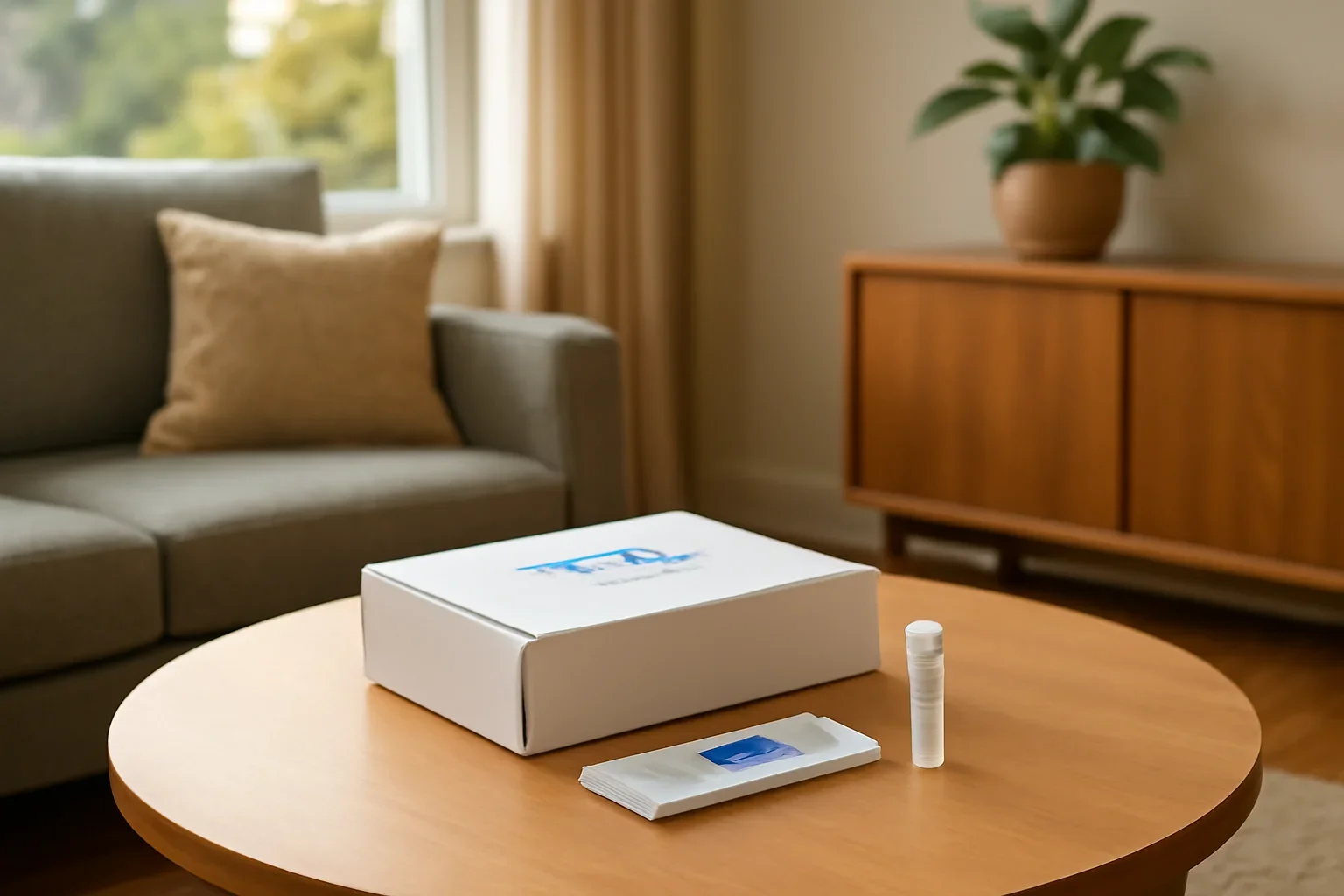
Eligible kits may be shipped to supported Burnaby addresses. Collection is completed at home, and the finished sample is returned according to the selected test’s instructions. Before checkout, confirm the address, sample type, report scope, privacy information and limitations.

Burnaby’s town centres include substantial higher-density housing, including towers, walk-ups and townhouses. Housing differences affect how a kit reaches you, not what the test is designed to analyze.
In a multi-unit building, use the full recipient and unit information needed for parcel delivery and confirm where packages are held if direct-to-door delivery is not typical.
Once the kit arrives, do not treat delivery as the end of the logistics work. Read the preparation, collection, storage where applicable, labelling, packaging and return instructions before opening the sample materials.
Practical rule: confirm how the kit reaches your unit and how the completed sample leaves before you decide when to collect.
Include the apartment, condo or suite number whenever it is part of the mailing address.
Use the name required for your building’s normal package-receiving process.
Know whether packages are held at a door, lobby, concierge, locker or parcel room.
Choose a time when you can complete collection, packaging and required next steps correctly.
Review both directions before collection. Product instructions take priority because sample types, packaging and return procedures can differ between tests.
Confirm that the expected collection device, instructions, labels and return packaging are present and usable. Follow the preparation guidance for the exact sample type.
Package the sample as directed and use the destination, label, carrier and timing instructions supplied with the selected test. Keep tracking information when available.
Return postage may be included with some products and excluded from others. Delivery dates are estimates rather than guarantees, and carrier conditions, weather and holidays can affect transit.
Laboratory processing begins only after the returned sample reaches the laboratory, completes intake and is accepted for processing. Initial kit delivery and return transit are separate from that stage.
It may suit adults who want an educational microbiome snapshot, prefer home collection and understand the limits of consumer testing.
You want to complete the routine consumer sample privately without adding a collection appointment.
You are comfortable reviewing packaging and return instructions before creating the sample.
You are looking for composition or diversity-related information rather than medical diagnosis.
You understand that personal, order, sample and report information may be involved in testing.
Review sample type, report scope, purchase details and limitations.
Confirm the collection and return materials are present before starting.
Follow the preparation, collection and labelling instructions for the selected test.
Use the designated return route, then review the report with its explanations and limits.
Depending on the current reporting framework, a gut microbiome report may include bacterial composition, relative abundance, species richness, diversity information and educational nutrition or lifestyle content. One sample is a snapshot rather than a diagnosis.
Review the general reporting structure before deciding whether the information fits your goal.
view a sample microbiome reportRead findings with their terminology, scope and scientific limitations rather than as a diagnosis.
understand microbiome test resultsTesting can involve contact, shipping, order, sample-identification, laboratory-status, result and report information.
Review Privacy & DataLiving in Burnaby changes parcel and sample-return logistics. It does not change the medical limitations of consumer microbiome testing.
This page focuses on Burnaby ordering, building delivery, collection and sample-return decisions. For broader provincial guidance, use microbiome testing in British Columbia.
Practical answers about building delivery, sample return, report content, privacy and medical limitations.
Eligible kits can be ordered for supported Canadian delivery addresses. Use your complete Burnaby address and review current product and checkout information before ordering.
Use the complete recipient name, street address, apartment or suite number, Burnaby, British Columbia, postal code and any ordinary building detail needed for reliable parcel reception.
Use the delivery details your building normally requires and make sure you know where the parcel will be held. Retrieve the complete kit before planning collection.
Not automatically. Read the preparation, collection, storage, labelling, packaging and return instructions first. Choose a time when you can complete the required next steps correctly.
Use the packaging, destination, label, carrier and timing instructions supplied with your specific kit. Return postage may be included for some products and excluded from others. Keep tracking information when available.
Depending on the current reporting framework, a report may include bacterial composition, relative abundance, species richness, microbiome diversity and educational nutrition or lifestyle content. A sample report shows the general format rather than guaranteeing an identical future report.
Testing may involve contact, order, sample-identification, laboratory-status, result and report information. Review current privacy information before submitting a sample. Consumer microbiome testing is educational and should not be used to diagnose or treat a medical condition; persistent, severe, worsening or otherwise concerning symptoms should be assessed by an appropriately regulated healthcare professional.
