Which Bacteria Were Detected?
A report may list bacterial groups detected within the scope of the test. Individual names need context; detection alone does not prove that a bacterium is causing a symptom or health problem.

A gut bacteria test uses a stool sample to examine bacterial DNA and build a microbiome profile. The important part is not finding a single “good” or “bad” bacterium—it is understanding which bacterial groups were detected, how they are represented in the report, and what those findings can reasonably tell you.
This page is for Canadians comparing a bacteria-focused test before buying. It explains the report lens, the questions worth checking before checkout, and where educational microbiome information stops short of medical diagnosis.

The current testing workflow describes laboratory analysis of bacterial DNA in a stool sample to estimate bacterial composition and relative abundance. The report is educational and should be read as a snapshot of the submitted sample.
Use the gut microbiome test in Canada arrow_forward page for the full commercial overview rather than repeating it here.
The commercial value comes from seeing how bacterial findings are organised within the report. That is different from a general educational article about what gut bacteria are, what affects them, or how diet and antibiotics may influence the microbiome.
A report may list bacterial groups detected within the scope of the test. Individual names need context; detection alone does not prove that a bacterium is causing a symptom or health problem.
The current testing description includes composition and relative abundance. Those measurements help organise the profile, but they are not a universal pass-or-fail measure of whether your gut is healthy.
Depending on the current report format, bacterial findings may sit alongside diversity, species richness, and educational nutrition or lifestyle information. Read each section within its stated methodology and limitations.
This is the most important distinction for a commercial gut bacteria test page: report findings can be useful for education, but they should not be stretched into conclusions the test was not designed to make.
| Report Element | Useful Reading | Avoid This Shortcut |
|---|---|---|
| Detected bacterial groups | Review which bacteria were reported within the test's scope and read the explanation attached to each section. | Do not assume one detected bacterium explains a digestive symptom or proves a disease. |
| Relative abundance | Use it to understand how reported bacterial groups are represented relative to one another in the submitted sample. | Do not treat one percentage as a stand-alone diagnosis or a permanent measurement of your gut. |
| Diversity or richness | Read these as microbiome descriptors that may provide additional context about the reported community. | Do not reduce the entire report to one “high” or “low” diversity number. |
| Educational guidance | Use plain-language explanations to understand terminology and the report's stated food or lifestyle context. | Do not use educational guidance as a prescription, treatment plan, or reason to stop medication. |
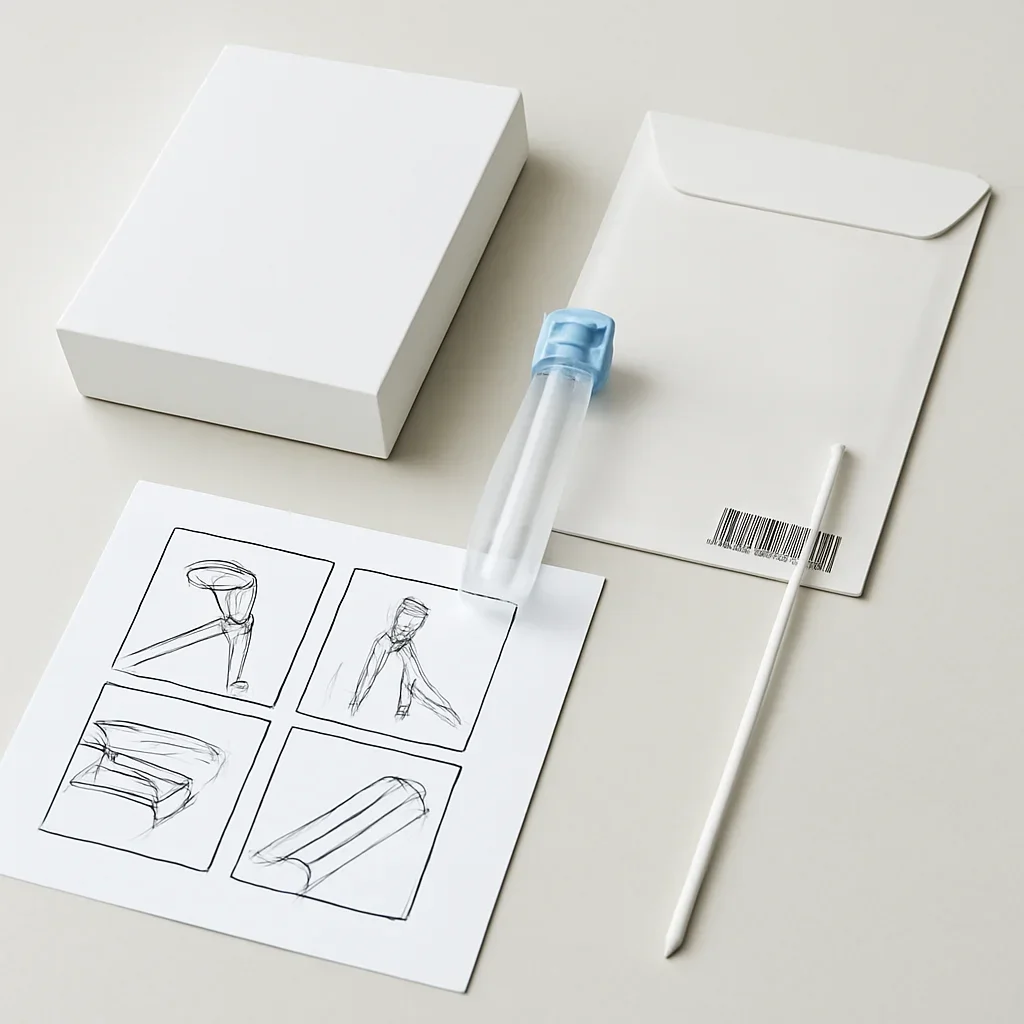
You do not need a long biology lesson to make a better buying decision. You need enough product detail to know what is collected, what is analysed, what the report contains, and how the sample and your information move through the process.
Process detail: the current site instructions say kit-specific directions take priority over general website information. Read the enclosed collection and return instructions before collecting a sample.
The report may be the reason you are shopping, but the practical experience also matters. Before ordering, confirm how the kit reaches your address, how the collected sample is returned, what current instructions apply, and where to ask for help if something is unclear.
Do not assume every province, territory, rural address, apartment, or remote community follows the same delivery or return path. Use the information supplied for your actual order and address.
Check the current delivery information for the address you plan to use rather than relying on a general Canada-wide assumption.
Know the specified return address, packaging steps, and current mailing instructions before you complete collection.
Review what information is requested, why it is needed, and what the provider says about handling test-related information.
Know how to ask practical questions if collection, shipping, return, or report access is unclear.
Consumer microbiome testing can describe bacterial information from the analysed sample. It does not turn every bacterial finding into a medical answer, and it should not be used as a substitute for diagnosis or treatment.
If your main goal is to investigate persistent, worsening, or otherwise concerning symptoms, speak with a regulated healthcare professional rather than relying on a consumer microbiome report.
This page separates verified product-process facts from broader microbiome science. Product claims should be checked against current site documentation, while interpretation claims should stay within the limits described by scientific and clinical-consensus sources.
Replace the placeholders above with real, verified information before publishing. Do not imply medical review unless an appropriate reviewer actually reviewed the final page.
This page focuses on bacterial findings. Use the next step that matches your decision rather than opening another general gut-bacteria article.
Use the sections above to confirm that the report fits an educational goal and that you understand the limits around individual bacteria, abundance, and diversity.
Review the report lens arrow_forwardConfirm collection, reporting, return, privacy, and support details before checkout so the practical process is clear.
Review before buying arrow_forwardCheck the current shop information and product details before placing an order. Confirm the latest price, kit information, and checkout details at the time of purchase.
order a microbiome test arrow_forwardDirect answers to bacteria-focused questions that commonly come up before someone chooses an at-home microbiome test.
The current MicrobiomeTest.ca process describes analysis of bacterial DNA found in a stool sample to estimate bacterial composition and relative abundance. The resulting report is designed to provide educational microbiome information. It does not represent every microorganism in the digestive tract and should not be treated as a complete medical assessment.
Not in a reliable one-label sense. Bacterial findings are better read within the full report, including abundance, diversity, methodology, and stated interpretation limits. One bacterium may have different significance depending on context. Avoid turning a detected name into a diagnosis or assuming a single organism proves why you have a symptom.
No. A consumer microbiome report should not be used by itself to diagnose or rule out an infection, IBS, IBD, allergy, or another medical condition. Its role is educational. If your main goal is to investigate persistent, worsening, or otherwise concerning symptoms, seek assessment from a regulated healthcare professional.
Yes. The current testing workflow uses a small stool sample collected at home with the materials supplied in the kit. Read the kit instructions before collecting anything, complete any required labelling or activation steps, package the sample as directed, and follow the specified return instructions for your individual kit.
Compare what sample is required, what bacterial information is analysed, whether a real report preview is available, how the sample must be returned, what current turnaround information says, how privacy is explained, and where support is available. Also check that the provider clearly separates educational microbiome information from diagnosis or treatment.
Yes. The gut microbiome is dynamic and can vary with diet, medication, illness, environment, and other exposures. That means a stool-based microbiome report should be understood as information from the submitted sample at a particular point in time, not as a permanent identity or fixed score that will always remain the same.
A useful gut bacteria test decision starts with the report—not a promise about one “good” or “bad” organism. Review the bacteria profile, methodology context, collection process, privacy, and limitations before choosing your next step.
