
Microbiome Test for Probiotics | Before & After Guide
Before and after probiotic use

Microbiome Test for Probiotics

A microbiome test can give you an educational snapshot before, during, or after probiotic use. What it cannot do is automatically tell you which probiotic to choose, prove that a supplement caused a microbiome change, or confirm that a probiotic permanently colonized your gut.

Quick answer: Testing before and after probiotic use can create two microbiome snapshots for comparison. A difference between those reports is an observation—not proof that the probiotic worked, caused the change, or produced a health benefit.

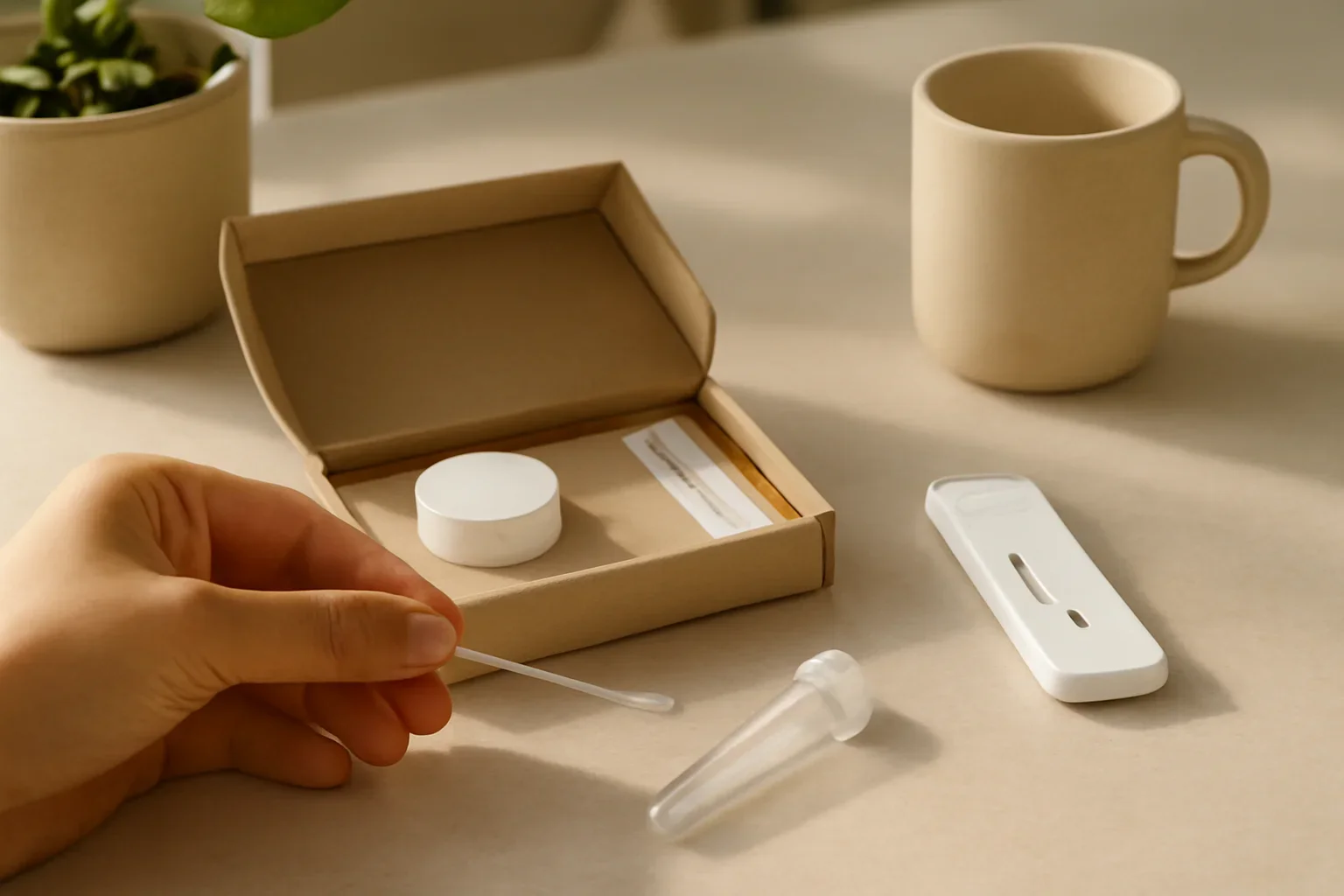
Microbiome test for probiotics with an at-home stool collection kit and probiotic product
Pick the testing moment

Before, during, or after probiotics?

There is no single testing moment that is automatically right for everyone. The better choice depends on the comparison you want to make and what other changes are happening at the same time.

Option 01
flag

Test before starting

A pre-use sample can serve as an educational baseline for comparison with a later sample. Record your normal diet, medications, recent illness and other relevant factors so you remember what else may differ when you review a future report.
Option 02
schedule

Test while using a probiotic

This provides a snapshot during the period of use. Do not assume the report will identify every strain listed on your probiotic label or show whether that product has permanently established itself in your gut.

Option 03
compare_arrows

Test again later

A later sample gives you another point in time to compare. Changes may reflect probiotic exposure, diet, medication, illness, natural microbiome variation or several factors together, so avoid assigning one cause from the report alone.

Whichever timing you choose, follow the collection instructions for the actual kit. The dedicated guide explains how at-home microbiome testing works arrow_forward

Before-and-after comparisons

What can two microbiome tests actually tell you?

A comparison can show whether reported patterns differ between two samples. The difficult part is deciding what those differences mean. Keep observation separate from causation.

Question What the comparison may show What it cannot establish
Did my report change after using probiotics? You can compare the microbiome-related findings presented in your first and second reports. A difference alone does not prove that the probiotic caused it.
Did the probiotic colonize my gut? A stool test may report microorganisms detected within the scope and resolution of the selected test. Finding a related organism in stool does not by itself prove durable gut colonization or persistence after use stops.
Did my microbiome become healthier? Reports may present composition, relative abundance, diversity or other educational microbiome measures. A higher or lower value does not automatically equal better or worse health for an individual.
Did the probiotic help my symptoms? Your microbiome report and your symptom experience can both be recorded over the same period. A consumer microbiome comparison cannot establish that a supplement caused symptom improvement or worsening.
Which probiotic should I use next? The report may give you educational microbiome information to discuss or explore further. It should not be treated as a validated prescription for a particular probiotic strain, product, dose or treatment plan.
Make the comparison useful

Record the probiotic details before you forget them

“I took probiotics” is not much context when you look back several weeks or months later. Probiotic products can contain different organisms and strain combinations, so keep the actual label details with your testing notes.

  • check_circle Record the product name and the organism or strain names shown on the label.
  • check_circle Record when probiotic use began and whether you were still using it on the collection date.
  • check_circle Note major diet changes, medications, illness or travel occurring between samples.
  • check_circle Keep the dates of both microbiome collections if you plan a before-and-after comparison.

The aim is context, not a controlled experiment. Many things can change between two real-world stool samples.

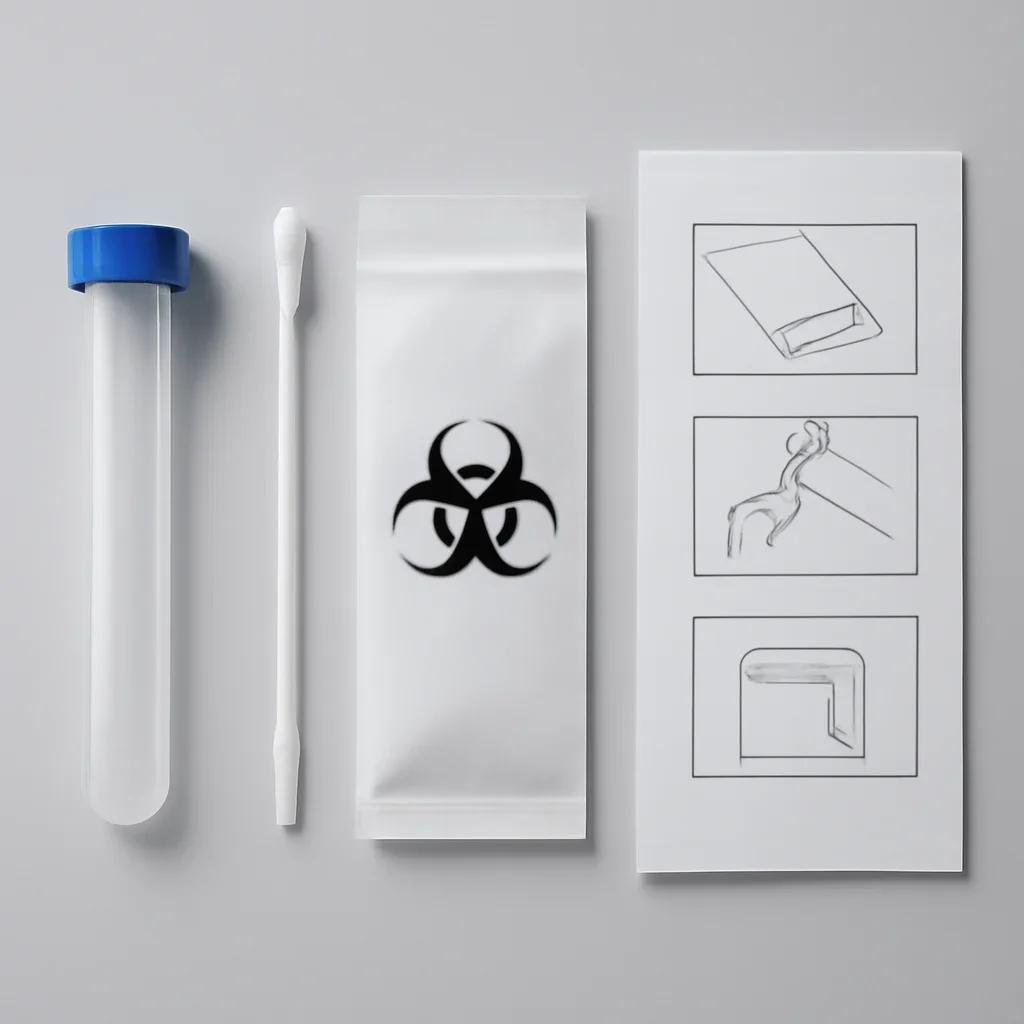
Probiotic label beside microbiome test kit contents and stool sample collection instructions
Avoid these interpretation traps

Four conclusions your microbiome report cannot prove

Probiotic research is highly dependent on the organism, strain, population and outcome being studied. A consumer stool report should not turn those complexities into a simple product verdict.

verified

“The probiotic worked”

A changed microbiome report after probiotic use does not prove clinical effectiveness. Showing an association between two events is different from proving that one caused the other.

home_work

“The strain permanently colonized”

Probiotic organisms may interact with different people in different ways. Detection in a stool sample should not be treated as proof of permanent or long-term colonization of the gastrointestinal tract.

recommend

“This is the probiotic I need”

Consumer microbiome testing is not a validated prescribing system for choosing a specific probiotic product or strain for an individual medical problem.

medical_services

“My symptoms are explained”

Bloating, pain, diarrhoea, constipation or other symptoms can have many possible causes. A microbiome report does not establish that one microbial pattern or probiotic response explains them.

When medical assessment comes first

If your main reason for testing is persistent, severe, worsening or otherwise concerning symptoms, or you need advice about treatment or medication, speak with an appropriately regulated healthcare professional rather than using a consumer microbiome test to make those decisions.

Read changes carefully

How to compare a report without over-reading the result

Begin with what the reports actually show. Only then add the timing of probiotic use and other lifestyle context.

difference

Compare like with like

Review the same report sections across both tests where possible rather than comparing one headline score from one report with a different metric from another.

timeline

Add the timeline

Check when each sample was collected relative to probiotic use, diet changes, medications and illness. A microbiome result without timing can be easy to misread.

balance

Separate change from benefit

A microbiome difference is not automatically a health benefit. Likewise, a report that appears similar does not automatically prove that a probiotic had no biological or clinical effect.

Is this the right test?

Make sure a stool microbiome report matches your actual question

If you want an educational view of microbiome-related information from a stool sample, this type of testing may fit your goal.

If you expect the test to prescribe a probiotic, diagnose a digestive condition, determine why a symptom changed, or verify treatment success, you are asking the report to do more than a consumer microbiome test can establish.

Gut Microbiome Test in Canada

A better buying checklist

  • check_circle Do I understand what sample I need to collect?
  • check_circle Have I seen the report format before paying?
  • check_circle Am I looking for education rather than diagnosis?
  • check_circle If I plan to compare tests, do I know what I am trying to compare?
  • check_circle Have I separated probiotic marketing claims from what this microbiome report itself can establish?
Before sending a sample

Testing decisions also include privacy and data handling

Your interest in probiotics is only one part of the decision. Microbiome testing can involve personal information, a biological sample, processing records and report data, so review the current policies before collection.

shield_lock

Review data handling

Check how order information, sample-related records, report access and provider involvement are described. If retention, deletion or data location matters to you, resolve those questions before returning a sample.

Microbiome Testing Privacy and Data arrow_forward
clinical_notes

Keep support and medical care separate

Customer support can help with practical test, order, kit or report-access questions. Questions about symptoms, diagnosis, medications or treatment decisions belong with an appropriately regulated healthcare professional.

Evidence and editorial review

How this probiotics testing guide should be reviewed

This page separates three different questions: what the current testing service provides, what probiotic science supports, and what cannot be concluded from a consumer before-and-after microbiome test.

Page review record

Written by [Author Name, Role]
Reviewed by [Reviewer Name, Relevant Credentials]
Last reviewed August 19, 2026
Review focus Probiotic strain context, before-and-after testing, colonization limits, consumer report interpretation and current service documentation

Replace author and reviewer placeholders with real, verified information before publication. Do not imply physician, dietitian or scientific review unless that review actually occurred.

Evidence sources reviewed

Probiotic testing questions

Microbiome test for probiotics FAQs

Direct answers about testing timing, probiotic detection, before-and-after comparisons and report limitations.

Should I take a microbiome test before starting probiotics? expand_more

Testing beforehand can provide an educational baseline if you plan to compare it with a later sample. It is not required for everyone who uses probiotics, and it cannot predict whether a particular product will benefit you. Record diet, medications and other important changes so a future comparison has more context.

Should I stop probiotics before a microbiome test? expand_more

The evidence reviewed here does not establish one universal probiotic washout period for consumer microbiome testing. Follow the preparation instructions supplied with your specific kit. If a probiotic is being used as part of clinician-directed care, do not change that plan solely for a consumer test without discussing it with the appropriate professional.

Will my probiotic strains show up in the microbiome report? expand_more

Not necessarily. Detection depends on the microorganisms in the product, the submitted sample, laboratory method, database and the resolution of the report. Even if a related organism is detected in stool, that finding alone does not prove that the probiotic permanently colonized your gut or produced a health benefit.

Can before-and-after testing prove that my probiotic worked? expand_more

No. Two reports can show that microbiome-related findings were different at two points in time, but they cannot prove the probiotic caused the change. Diet, medication, illness, environment and ordinary microbiome variation can also differ between collections. Clinical benefit requires evidence beyond observing a change in a consumer stool report.

Can a microbiome test tell me which probiotic to buy? expand_more

A consumer microbiome report should not be treated as a validated prescribing tool for selecting a probiotic strain, product or dose. Probiotic effects can depend on the strain and the outcome being studied. If you need a probiotic recommendation for a medical condition or treatment goal, discuss that question with an appropriate healthcare professional.

How long should I wait before retesting after probiotics? expand_more

There is no single evidence-based retesting interval that fits every probiotic product and every consumer goal. Decide first what period you want the second sample to represent. Keep the collection dates and relevant lifestyle changes with your notes, then interpret any difference as a comparison rather than proof of probiotic effectiveness.

Choose the test for the comparison you actually want to make

Decide whether you want a baseline, a snapshot during probiotic use, or a later comparison. Then review the report scope and limitations before purchasing rather than expecting the test to prescribe or validate a probiotic product.

compare_arrows Before or After?