What Does the Test Actually Measure?
Review the sample type, current testing scope and stated limitations before deciding whether the product matches the question being asked.
Gut Microbiome Test in Canada arrow_forward
For a practitioner, the important question is not simply whether a microbiome test is interesting. It is whether the test, report, logistics and limitations can be explained responsibly within your existing patient or client workflow.
This page brings those professional decision points together without implying diagnostic validity, practitioner-only tools, laboratory accreditation or clinical services that have not been verified.
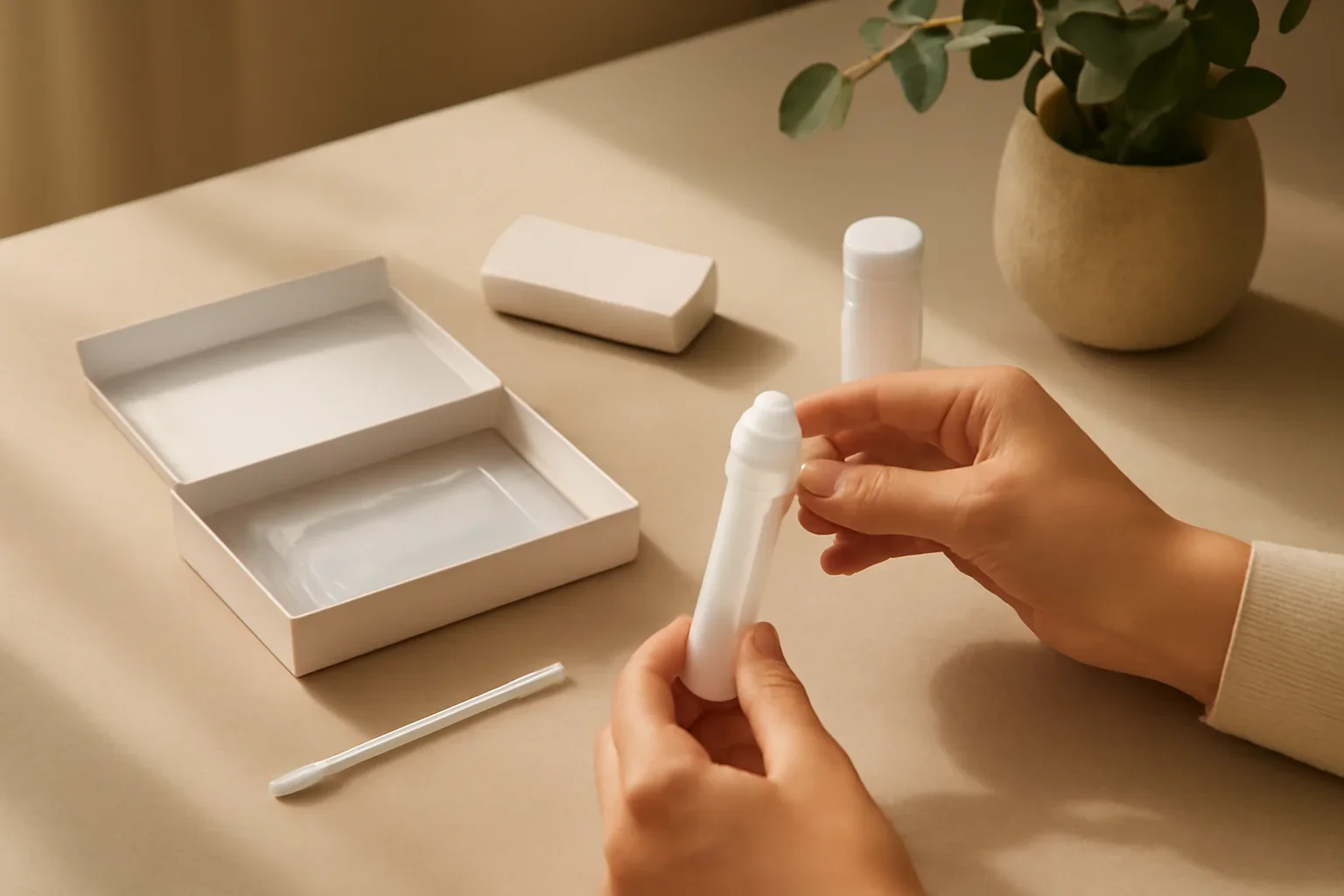
How can practitioners use microbiome testing responsibly? Start by evaluating the consumer workflow, the actual report, current scientific limitations, privacy information and the questions the test is designed to answer. Use the report as educational information rather than a stand-alone diagnostic tool, and keep medical assessment separate when symptoms, diagnosis, medication or treatment are involved.
A practitioner page should help you judge fit before you recommend, discuss or order anything—not simply repeat consumer sales copy.
Review the sample type, current testing scope and stated limitations before deciding whether the product matches the question being asked.
Gut Microbiome Test in Canada arrow_forwardReport readability matters. A practitioner should know what categories, explanations and limitations the person will see before the test is introduced.
Decide in advance which conversations are educational and which questions require regulated clinical assessment or established diagnostic testing.
Consider who explains ordering, home collection, sample return, practical support, report access and any follow-up questions.
Professional credibility depends on separating operational facts from B2B capabilities that have not been publicly confirmed.
| Capability or Process | Current Public Status | Responsible Practitioner Interpretation |
|---|---|---|
| Online test ordering | Documented | The public shop provides an online route for purchasing currently listed microbiome tests. |
| At-home stool collection | Documented | The current gut workflow uses a stool sample collected at home with supplied collection materials and instructions. |
| Laboratory processing | Documented | An acceptable returned sample enters laboratory analysis, data processing and quality review before report preparation. |
| Educational report access | Documented | The current process includes access to a microbiome report after processing is completed. |
| Practitioner portal or dashboard | Not publicly documented | Do not promise a professional portal, shared dashboard or practitioner account until that feature is verified. |
| EMR or EHR integration | Not publicly documented | No integration with clinic record systems should be implied. |
| Wholesale or clinic pricing | Not publicly documented | Do not advertise volume discounts or practitioner pricing without current commercial terms. |
| Clinical interpretation service | Not publicly documented | Do not imply that a physician, dietitian or other regulated professional reviews each consumer report. |
| Laboratory accreditation | Do not infer | Name accreditation only when the laboratory, standard and applicable scope have been verified. |

Before discussing the test professionally, it helps to understand the same journey the person completing it will experience.
The current process runs from online ordering to home collection, sample return, laboratory acceptance and processing, and eventual access to an educational report.
This sequence keeps the microbiome report in an educational role while making clinical questions visible at the right point.
Explain what the test is designed to report and what it should not be expected to diagnose or treat.
Make sure the person understands ordering, collection, return logistics and where to direct practical kit questions.
Discuss what the report actually states before assigning meaning to an organism, abundance value, category or diversity measure.
Questions involving symptoms, diagnosis, prescribed medication or treatment should move to an appropriately regulated healthcare professional.
Practitioners should not have to guess what a client will receive. Reviewing the report framework first makes it easier to judge readability, terminology and the risk of overinterpretation.
Check how bacterial composition, relative abundance, richness, diversity and educational guidance are presented before deciding whether the report fits your communication style.
View a Sample Microbiome Report arrow_forwardOrganism findings, composition, diversity measures and report categories require context. One number or detected bacterium should not automatically be translated into a clinical conclusion.
Understand Microbiome Test Results arrow_forwardProfessional use becomes safer and clearer when educational applications are separated from diagnostic or treatment decisions.
Current international expert consensus notes that evidence remains insufficient to broadly recommend routine microbiome testing in clinical practice. Practitioners should therefore keep consumer educational use separate from claims of established diagnostic or treatment utility.
Test results, report-access details, sample-status information and support records can form part of the service record. Current public privacy information also notes that information required for testing may be shared with an independent laboratory or testing provider. Practitioners should not make stronger data-location, retention or security promises than the current policy supports.
The current public website provides an online shop and a contact route. That is enough to support a clear practitioner page without inventing a clinic portal, bulk-order programme or special professional dashboard.
When a clinic needs a capability that is not publicly documented, it should be confirmed directly before it is built into the clinic's operating process.
The shop currently lists microbiome tests available for online purchase.
Customer support can address practical order, kit, data and report-access questions rather than diagnosing symptoms.
Confirm any required practitioner account, volume arrangement, reporting access or clinic process before promising it internally.
Practitioner-facing claims require a higher verification standard. Product workflow, reporting and privacy statements are based on current public service documentation, while clinical-use limits are informed by current expert consensus.
Used to verify online ordering, home stool collection, sample return, laboratory acceptance, processing and report-access workflow.
Review Current WorkflowUsed for current public statements about service records, independent providers, support boundaries and biological-data considerations.
Review Privacy InformationExpert consensus covering testing methods, reporting, potential clinical value, best practices and current evidence gaps.
View PubMed RecordGeneral Canadian context emphasizing correct use of home-test instructions and careful interpretation of test results.
View Health Canada GuidanceDirect answers about professional workflow, report use, ordering, privacy and appropriate clinical boundaries in Canada.
This page is for Canadian clinics and practitioners evaluating how consumer microbiome testing may fit into patient or client education. It focuses on workflow, report readability, ordering, privacy, support and responsible-use boundaries. It does not assume that every profession has the same scope of practice or that the test has established diagnostic utility.
A consumer microbiome report should not be used by itself to diagnose or rule out IBS, IBD, infection or another medical condition. Current expert consensus identifies important gaps before routine clinical microbiome testing can be broadly recommended. Diagnostic questions require appropriate clinical assessment and testing within the practitioner's regulated scope.
Review the test's stated sample and analytical scope, the consumer collection workflow, sample-report framework, interpretation limits, privacy information and current ordering process. Also decide who will answer practical questions and when a question should be referred for regulated healthcare assessment instead of being answered from the microbiome report.
The public practitioner and service pages reviewed do not currently document a dedicated practitioner portal, shared clinic dashboard, EMR integration or practitioner-only report platform. If your workflow depends on one of those features, confirm the current capability directly before promising access to colleagues, patients or clients.
The current public shop lists consumer microbiome products, but the public pages reviewed do not establish a specific wholesale, volume-discount or practitioner-pricing programme. Clinics should therefore avoid quoting special professional rates unless current commercial terms have been confirmed directly and can be supported by written documentation.
Current site information separates practical support from medical interpretation. Support can be relevant to orders, kits, data questions, sample status or report access, while symptoms, diagnosis, treatment and medication decisions belong with an appropriately regulated healthcare professional. Practitioners should make that distinction clear before testing.
Consider what information is collected, how the sample is connected to the order, who may process testing information, how reports are accessed and what the current policy says about retention or processing location. Do not promise that data stay in Canada or follow a fixed retention period unless current policy explicitly confirms it.
Review the test scope, consumer experience, report, interpretation limits and privacy requirements before deciding whether microbiome testing fits the standards of your Canadian practice.