
Microbiome Test for IBS: Canadian Guide & Limits
IBS and microbiome testing in Canada

Microbiome Test for IBS

If you are researching microbiome testing because of IBS, keep two questions separate. A consumer stool microbiome test can provide an educational snapshot of bacteria detected in your sample. It cannot diagnose IBS, rule out another condition, or identify the medical cause of your symptoms.

fact_check

Important: IBS is not confirmed by a consumer microbiome score. Canadian clinical guidance relies on symptom patterns, medical assessment and appropriate investigations when indicated.

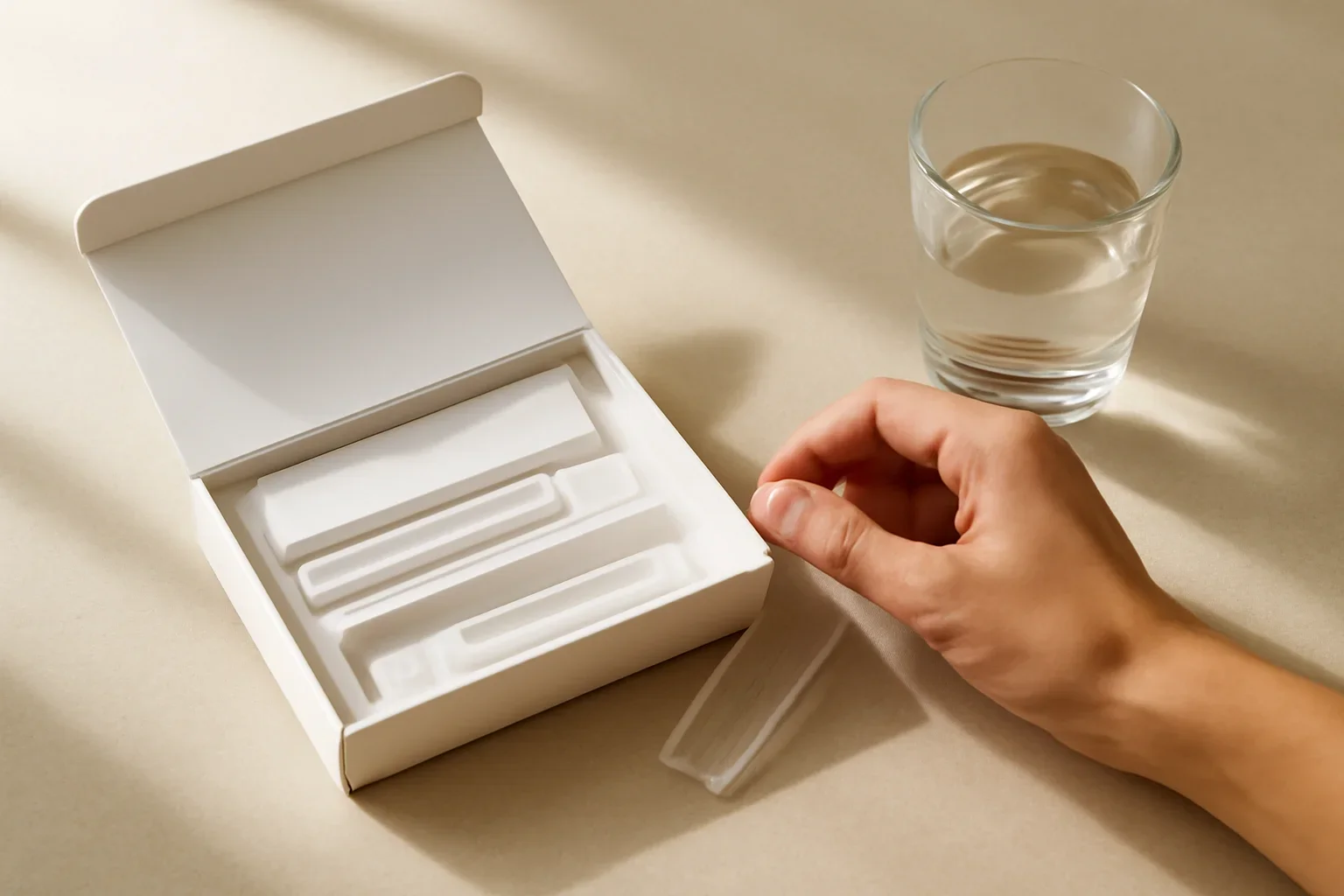
At-home microbiome test for a Canadian consumer researching IBS
Quick answer

Can a microbiome test diagnose IBS?

No. A consumer microbiome report may describe bacterial composition, relative abundance, diversity or richness information from the submitted stool sample, depending on the report. Those findings are not a validated stand-alone diagnosis of IBS.

The practical reason to consider testing is narrower: you want an educational microbiome snapshot and understand that clinical questions about IBS, symptoms or treatment remain separate.

analytics

If you already have an IBS diagnosis

You may be interested in seeing how bacterial findings are organised in your sample and learning microbiome terminology. The report does not replace the diagnosis you received or determine which treatment is appropriate.

help

If you think you might have IBS

A consumer test should not be used to diagnose yourself. Symptoms that resemble IBS can overlap with other conditions, so a clinical assessment is the appropriate route when the question is whether you have IBS.

medical_services

If symptoms are changing or concerning

Do not wait for a consumer report to decide whether medical assessment is needed. Persistent, worsening or otherwise concerning digestive symptoms should be discussed with an appropriately regulated healthcare professional.

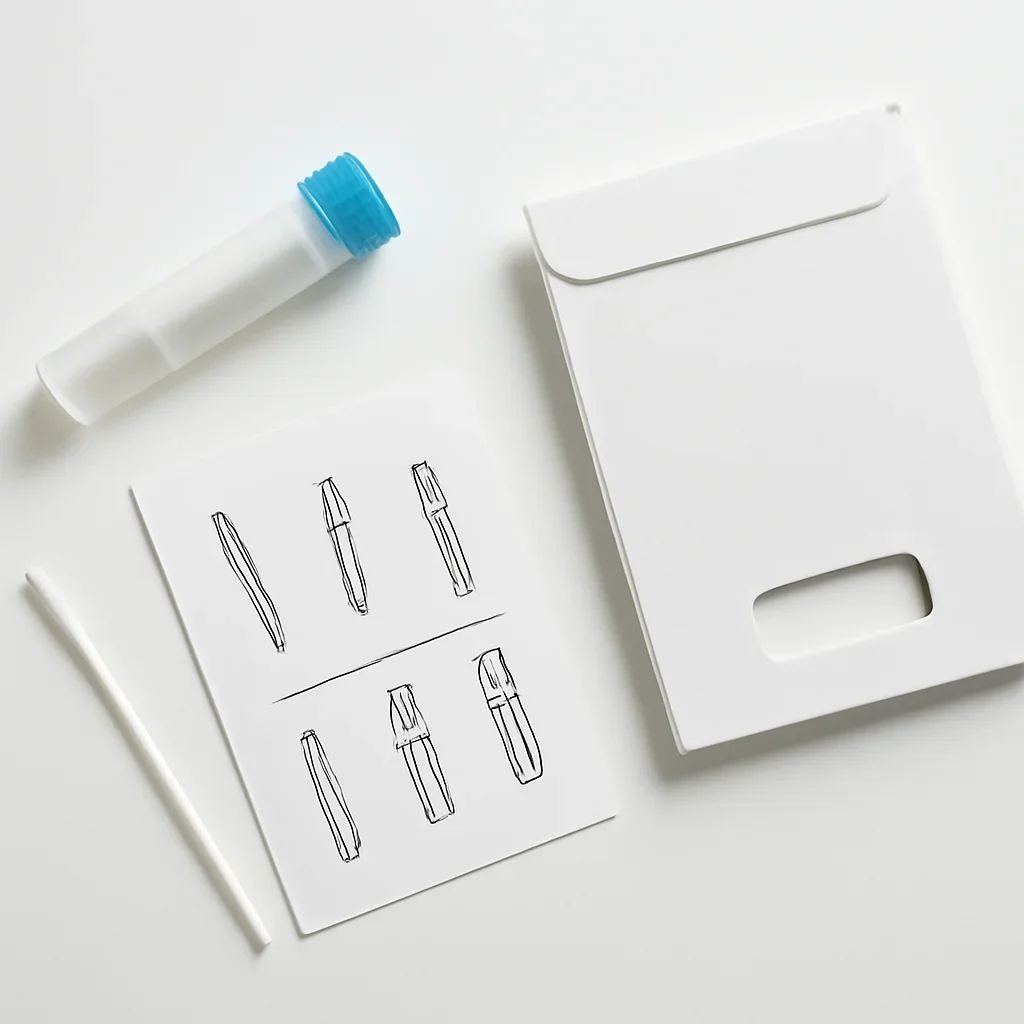
Microbiome stool test kit and report information for someone researching IBS
Two different questions

IBS assessment and microbiome profiling are not the same test

Researchers have found differences in gut microbial patterns when groups of people with IBS are compared with control groups. That research helps scientists study IBS, but it does not mean one bacterial pattern can confirm IBS in an individual consumer.

Clinical IBS assessment looks at the overall symptom pattern and other relevant medical information. A consumer microbiome test analyses a stool sample and reports microbiome-related findings within the scope of its method.

  • check_circle Group-level microbiome associations are not the same as an individual diagnostic biomarker.
  • check_circle IBS includes different bowel-pattern subtypes and can vary considerably between people.
  • check_circle A microorganism detected in a stool report does not prove that organism is causing abdominal pain, diarrhoea, constipation or bloating.
  • check_circle A consumer microbiome report should not be used to rule out another gastrointestinal condition.

Useful distinction: microbiome research may help explain parts of IBS biology at a population level. That does not automatically create a clinically validated consumer diagnostic test for one person.

Match the question to the right tool

What are you hoping the microbiome test will answer?

This is the most important check before ordering. Some questions fit an educational microbiome report. Others are medical questions and need a different path.

Your question What a consumer microbiome report may add What it cannot establish
“What bacteria are represented in my sample?” The report may organise bacteria detected within the test's analytical and reporting scope. A complete inventory of every microorganism in your digestive system.
“Is my microbiome causing my IBS?” You can review microbiome patterns as educational information. That a microbiome pattern or individual bacterium is the cause of your IBS.
“Do I actually have IBS?” Consumer microbiome information does not answer this clinical question. A diagnosis or exclusion of IBS.
“Why do I have diarrhoea, constipation or pain?” A report may give you microbiome terminology and findings to review. The medical cause of an individual digestive symptom.
“What treatment should I use?” Educational food or lifestyle context may appear in some report formats. A personalised prescription, medication decision or clinical treatment plan.
Keep the use case realistic

Where a microbiome report may still be useful for someone with IBS

Its strongest role is educational. That is different from diagnosing IBS or promising symptom improvement.

description

Review your sample in a structured format

Instead of relying on isolated claims about “good” and “bad” gut bacteria, a report can organise the bacterial findings generated from your sample within the provider's reporting framework.

menu_book

Learn what microbiome terms mean

Composition, relative abundance, diversity and richness can be easier to understand when they appear in an actual report. The numbers still need context and should not be turned into a diagnosis.

forum

Prepare better questions

A report may help you identify questions you want to explore further. When those questions concern symptoms, diagnosis, medication or treatment, take them to an appropriately qualified healthcare professional.

Where consumer testing stops

If the real question is “Do I have IBS?”, use the clinical pathway

IBS assessment is broader than a stool microbiome profile. Canadian clinical guidance uses a symptom-based approach and appropriate medical assessment rather than a commercial microbiome score.

Do not use the report to self-diagnose

Digestive symptoms can overlap across different conditions. A consumer microbiome report cannot determine by itself whether symptoms represent IBS or another gastrointestinal problem.

Speak with a regulated healthcare professional when symptoms are persistent, worsening, new, difficult to manage or otherwise concerning, or when you need a diagnosis or treatment decision.

1

Discuss the symptom pattern

A clinician can consider the pattern and duration of abdominal pain and changes in bowel habits together rather than interpreting one stool microbiome result in isolation.

2

Review medical context

History, medication use, family history, age, examination findings and other clinical factors may change what assessment is appropriate.

3

Use appropriate testing when indicated

Healthcare professionals can decide whether specific clinical tests are appropriate based on the person's presentation. A consumer microbiome test should not replace that decision.

Before you order

Judge the test by its actual output, not by IBS marketing claims

If you still want an educational microbiome snapshot, check the product, process, report and data handling before checkout.

fact_check

Check the claim before believing it

Be cautious with claims that a consumer microbiome test can identify the root cause of IBS, select a guaranteed treatment or prove that one bacterial pattern explains your symptoms.

Canadian testing logistics

What the current at-home process looks like

The operational process is separate from the IBS question. If you choose to test, understand the full round trip before collecting your sample.

home_health
At home

Stool sample collection

The current consumer workflow uses a small stool sample collected with the materials supplied in the kit. Follow the individual instructions rather than general collection advice.

biotech
Bacterial DNA

Laboratory analysis

Current process information describes analysis of bacterial DNA from the accepted stool sample to estimate reported bacterial composition and relative abundance before report preparation.

schedule
15–20 working days

Indicative laboratory turnaround

The current published estimate starts after an acceptable returned sample reaches the laboratory and is accepted for processing. Delivery and return transit are outside that laboratory timeframe.

Evidence and editorial review

How this IBS testing guide was checked

The page separates established IBS clinical guidance from emerging microbiome research and from the narrower scope of a consumer microbiome report.

Page review record

Written by: [Author Name, Role]

Reviewed by: [Reviewer Name, Relevant Professional Credentials]

Last reviewed: August 19, 2026

Review focus: IBS diagnostic boundaries, microbiome evidence, current consumer testing workflow, report interpretation, Canadian context, privacy and unsupported medical-claim prevention.

Replace these placeholders with real names and verified credentials before publication. Do not imply physician, dietitian or other clinical review unless that review actually occurred.

Sources used for this page

Moayyedi P, et al. Journal of the Canadian Association of Gastroenterology. 2019.

Canadian Association of Gastroenterology clinical practice guideline covering evidence-based assessment and management of IBS in Canada.

Review the PubMed record

Li X, et al. Frontiers in Microbiology. 2024.

Meta-analysis examining gut microbiota differences reported across studies involving people with IBS while illustrating the complexity and variability of proposed microbial patterns.

Review the PubMed record

Porcari S, et al. Lancet Gastroenterology & Hepatology. 2025.

International consensus covering microbiome-testing methods, reporting, evidence gaps and limitations in current clinical use.

Review the PubMed record

MicrobiomeTest.ca Current Process Documentation.

Used to verify the current collection workflow, bacterial-DNA analysis description, laboratory acceptance step, report framework and indicative processing timeframe.

Review current process documentation
IBS testing questions

Microbiome test for IBS FAQs

Direct answers to the questions that matter when consumer microbiome testing and IBS research overlap.

Can a microbiome test diagnose IBS? expand_more

No. A consumer microbiome report may describe bacterial composition, relative abundance, diversity or related patterns from a stool sample, but those findings do not confirm IBS. IBS diagnosis relies on clinical assessment of symptoms and other relevant information, with additional testing used when a healthcare professional considers it appropriate.

Can people with IBS have different gut microbiomes? expand_more

Research has reported microbiome differences between some IBS groups and comparison groups. However, studies do not define one universal bacterial profile shared by everyone with IBS. Differences between research groups therefore should not be treated as a personal diagnostic signature when reviewing an individual consumer microbiome report.

Can the test tell me what is causing my IBS symptoms? expand_more

No. Finding a bacterial pattern or individual organism in a stool sample does not prove that it is causing abdominal pain, diarrhoea, constipation or bloating. IBS is complex, and a consumer microbiome result should not be used to assign one microbial cause to an individual's symptoms.

Is a microbiome test useful if I already have an IBS diagnosis? expand_more

It may be useful if your goal is educational: reviewing bacterial findings from your sample, understanding microbiome terminology or documenting a snapshot. It should not replace your existing diagnosis, determine which IBS treatment you need or be used alone to decide whether medication, diet or clinical care should change.

Should I change my IBS diet based on a microbiome report? expand_more

Do not treat a consumer microbiome report as an individual diet prescription. Food or lifestyle content in a report is educational. If dietary changes are being considered for IBS, especially restrictive changes, discuss the plan with an appropriately qualified healthcare professional or dietitian who can consider your symptoms and nutritional needs.

When should I seek clinical care instead of ordering a microbiome test? expand_more

Seek appropriate healthcare assessment when your main concern is a diagnosis, medication decision, significant change in symptoms, or persistent, worsening or otherwise concerning digestive symptoms. A consumer microbiome report should not delay medical evaluation or be used to rule out conditions that can produce symptoms similar to IBS.

Use the microbiome test for the question it can answer

If you want an educational snapshot of bacterial findings from your stool sample and understand the limits, review the current testing options. If you need to know whether you have IBS or why symptoms are occurring, choose clinical assessment instead.

fact_check Check Before Ordering