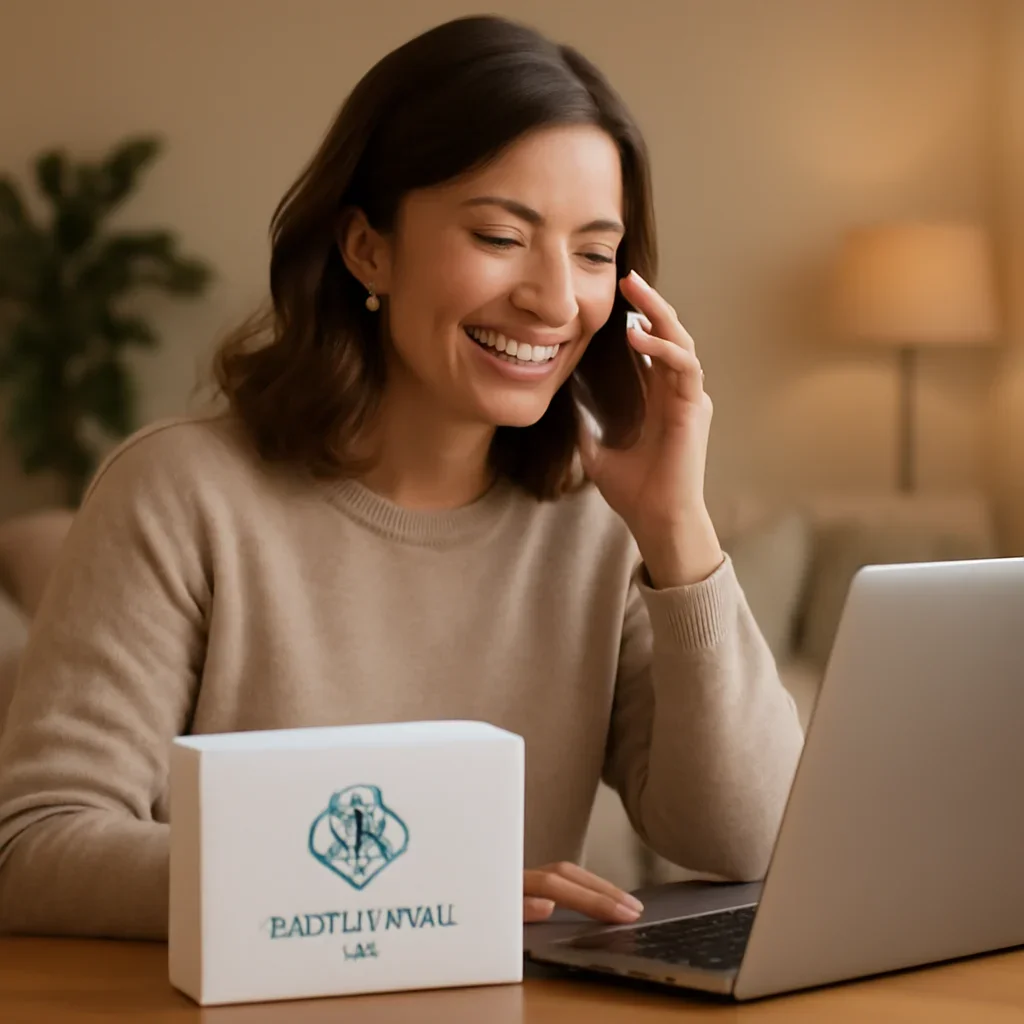
Use the exact parcel address
Enter the recipient, street, unit information where applicable and the postal code used for normal deliveries.
Saint John residents can order an eligible microbiome test kit online, receive it at a supported Canadian address, complete the required sample collection at home, return it using the supplied instructions and review an educational report after processing. Locally, the useful questions are whether the parcel is addressed correctly, whether you can reach the designated return point when planned, and whether winter street conditions or temporary access restrictions could complicate that handoff.
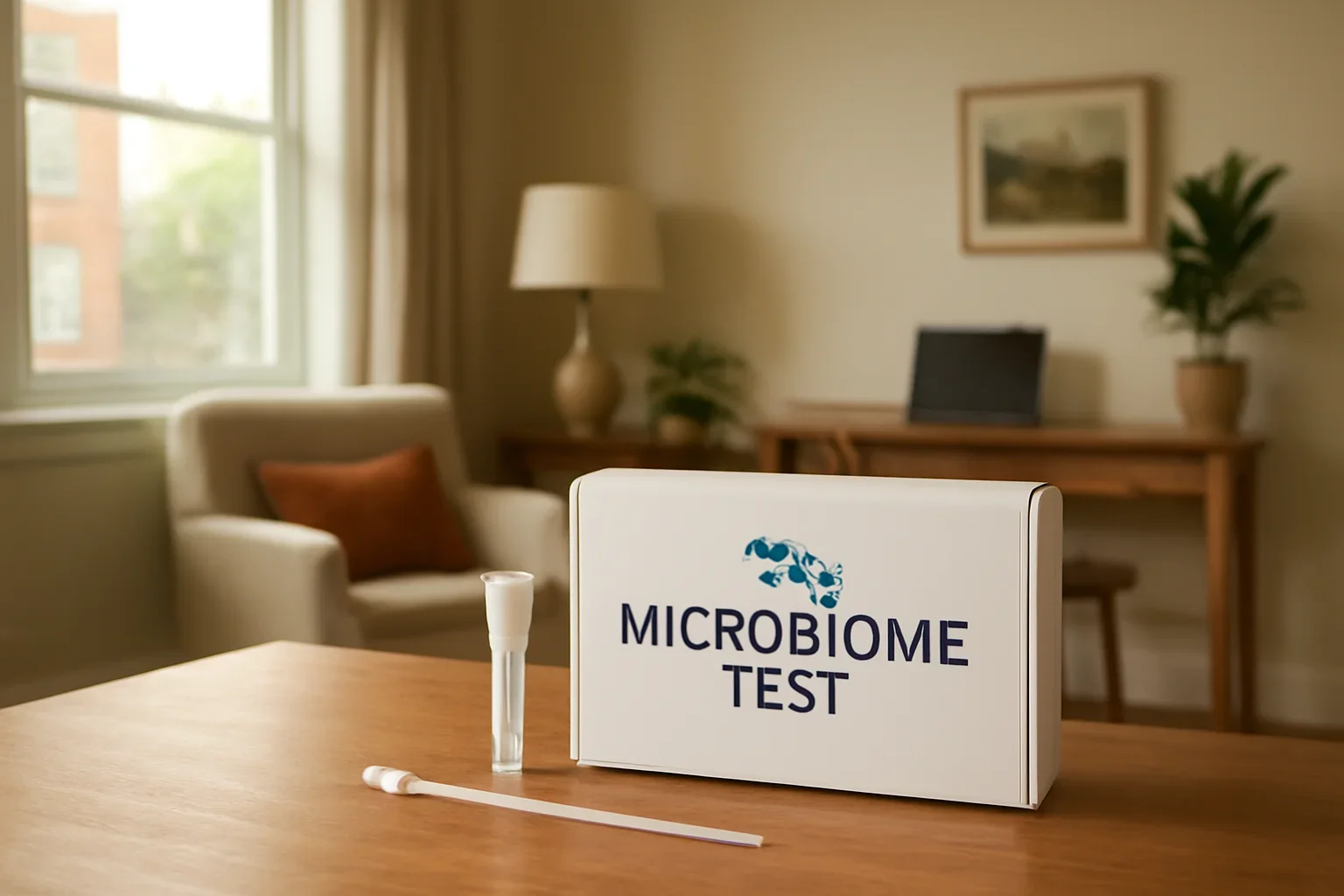
Enter the recipient, street, unit information where applicable and the postal code used for normal deliveries.
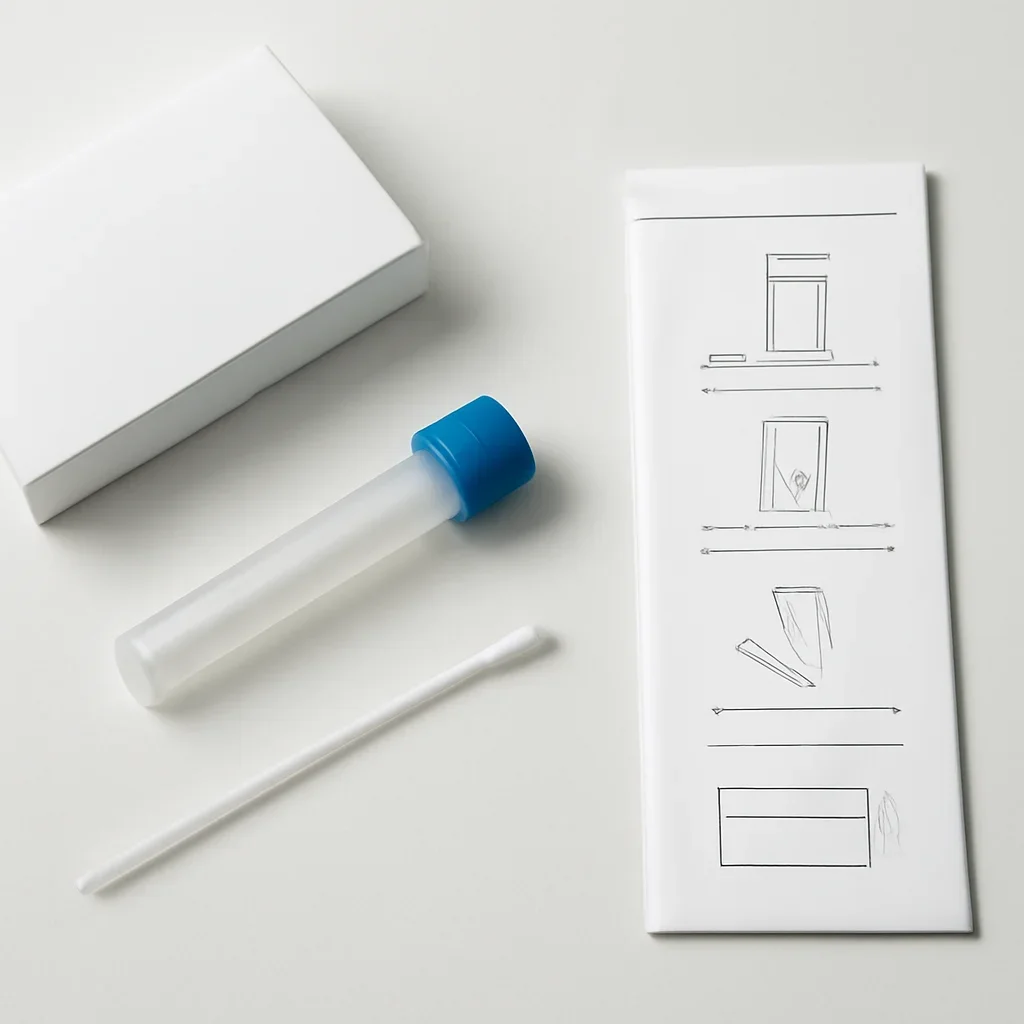
Read the collection, storage, packaging and return directions before creating the biological sample.
Review road, parking and carrier conditions before collection if severe winter weather is affecting the city.
Saint John uses a priority system for winter street clearing, and temporary parking restrictions can be declared when snow or ice needs to be removed. Those municipal conditions do not change the microbiome test, but they can affect how easily you reach a carrier location on the day you planned to return the sample.
The practical response is simple: solve the return question before collecting. Check the kit instructions, the designated carrier, the local deposit cut-off and current service conditions before the sample exists.
The selected consumer microbiome test does not change by part of Saint John. What changes is the practical delivery setting and whether the address information is complete enough for the carrier.
Include the correct unit or suite and the recipient name normally used for parcel delivery.
Check the civic number, street and postal code before checkout rather than relying on a broad area label.
If the parcel destination is another municipality or community, use that actual destination instead of Saint John as shorthand.
No local-presence assumption: this page does not claim a Saint John clinic, laboratory, pickup point or practitioner network. It explains the online ordering and mail-in process.
Laboratory processing begins after the returned sample reaches the laboratory, completes intake and is accepted for processing. Initial delivery, customer collection and sample-return transit happen before that.
Review the sample type, report scope, privacy information and testing limitations before checkout.
Follow the kit-specific collection instructions and use only the stated packaging, return address and carrier.
Read the findings with their educational context, method and stated limitations.
Delivery estimates are not guarantees. Severe weather, carrier interruptions, holidays, seasonal volume, transportation disruptions and incomplete addresses can affect transit independently of laboratory processing.
Depending on the current reporting framework, a gut microbiome report may include bacterial composition, relative abundance, species richness, microbiome diversity and educational nutrition or lifestyle content. One sample is an informational snapshot rather than a complete picture of health.
Review microorganisms or bacterial groups reported within the selected test and submitted sample.
See how reported groups are represented relative to one another within the report framework.
Use these measures as report context rather than a stand-alone diagnosis of digestive health.
Read nutrition or lifestyle content as education rather than a prescription or treatment plan.
It may suit adults who prefer home collection, can follow a kit-specific return process and want an educational microbiome snapshot. Testing can involve contact, order, sample-identification, laboratory-status, result and report information, so current privacy information should be reviewed before submission.
You prefer to complete the routine consumer sample at home instead of arranging a separate collection appointment.
You are comfortable checking preparation, packaging, carrier and timing requirements before collection.
You want to understand how personal, sample and report information is handled before submitting biological material.
Saint John delivery and winter-access conditions can affect logistics. They do not expand what a consumer microbiome report can diagnose, prove or replace.
Persistent, severe, worsening or otherwise concerning symptoms should be assessed by an appropriately regulated healthcare professional.
This page focuses on Saint John delivery, home collection and return-handoff planning. For broader provincial information, use microbiome testing in New Brunswick.
Practical answers about delivery, winter access, home collection, sample return, reports, privacy and medical limitations.
Eligible kits can be ordered for supported Canadian delivery addresses. Use your complete Saint John address and review current product and checkout information before ordering.
No. Your exact address can affect parcel delivery and return logistics, but it does not change the scientific scope or medical limitations of the selected consumer test.
If snow clearing, parking restrictions or road conditions could make a carrier drop-off difficult, solve that logistics question before collection. Use the kit instructions and current carrier conditions rather than a fixed city-wide estimate.
Not automatically. Read the preparation, collection, storage, packaging and return instructions first, then choose a collection time when the next required steps are practical.
Use the packaging, return destination, label, carrier, storage and timing instructions supplied with your specific kit. Confirm the local deposit cut-off before collection and keep tracking information when available.
Depending on the current reporting framework, a report may include bacterial composition, relative abundance, species richness, microbiome diversity and educational nutrition or lifestyle content. A sample report shows the general format rather than guaranteeing an identical future report.
Testing may involve contact, order, sample-identification, laboratory-status, result and report information. Consumer microbiome testing is educational and should not be used to diagnose or treat a medical condition; persistent, severe, worsening or otherwise concerning symptoms should be assessed by an appropriately regulated healthcare professional.
Review the sample type, delivery details, return instructions, report format, privacy information and testing limitations before deciding whether at-home microbiome testing fits your goal.