Plant variety can differ widely
One person may regularly eat beans, lentils, whole grains, fruit, vegetables, nuts and seeds, while another may rely on a much smaller set of foods. The diet label alone does not capture that difference.
A microbiome test can give vegans and vegetarians an educational snapshot of bacteria detected in a stool sample. The useful question is not whether a plant-based diet automatically creates a “better” microbiome, but how your actual food pattern, plant variety and recent diet changes should shape the way you read the report.
Quick answer: “Vegan” and “vegetarian” describe broad diet patterns, not one fixed microbiome. Two people using the same diet label can eat very different combinations of legumes, grains, fruit, vegetables, nuts, seeds, dairy, eggs and processed foods.

Research can detect microbiome differences between broad dietary patterns, but those findings do not turn every vegan or vegetarian microbiome into the same profile. What you actually eat still matters.
One person may regularly eat beans, lentils, whole grains, fruit, vegetables, nuts and seeds, while another may rely on a much smaller set of foods. The diet label alone does not capture that difference.
Plant foods can provide fermentable carbohydrates and fibre used by gut microbes, but a microbiome report should not turn “more fibre” into a universal prescription or assume that every plant-based diet has the same fibre pattern.
Vegetarian diets may include dairy or eggs, while vegan diets exclude animal-derived foods. Those differences can matter when researchers compare diet-associated microbial patterns, but they do not diagnose an individual's health.
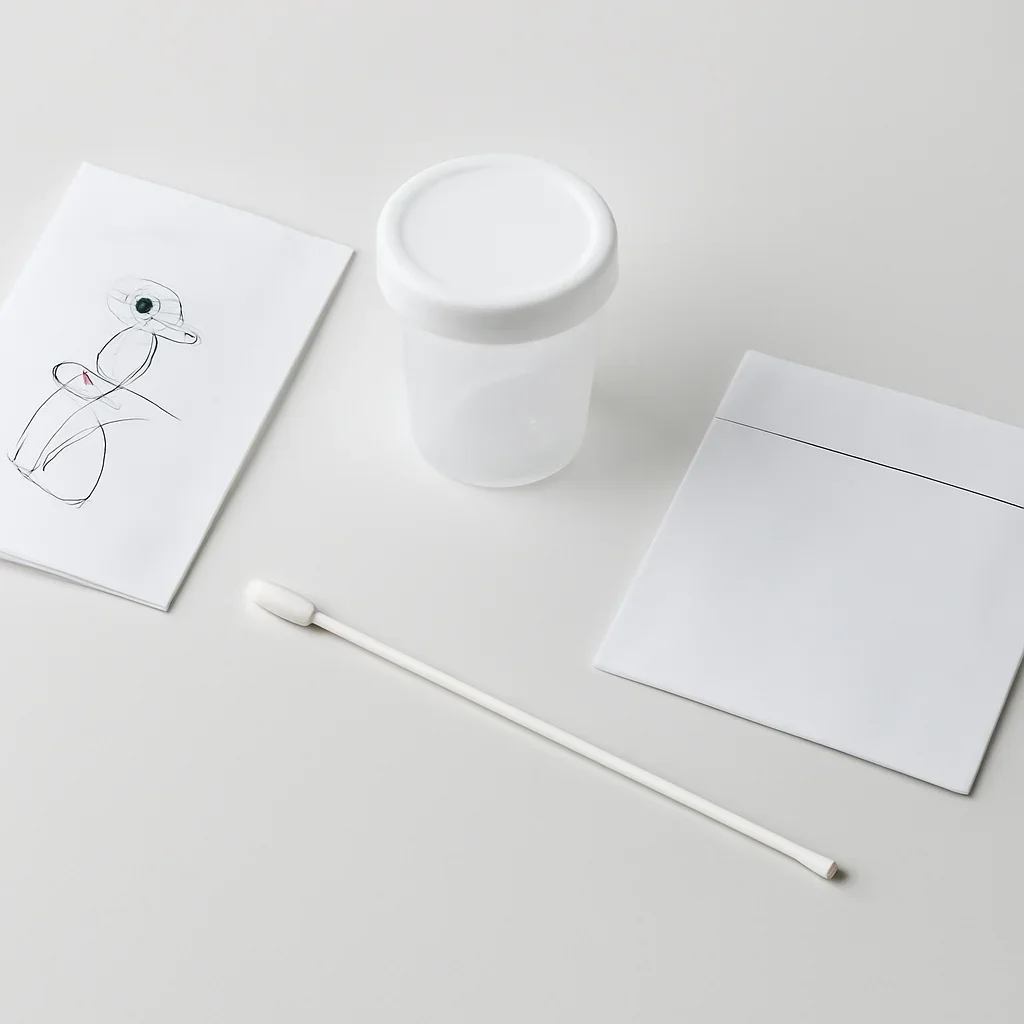
If you decide to test, a short record of your current diet can make the report easier to review later. You do not need to count every gram or turn collection into a nutrition experiment.
For the ordering, collection, return and reporting workflow, review how at-home microbiome testing works arrow_forward
A stool sample represents one point in time. Before interpreting differences as meaningful, check whether your diet was stable, changing or unusually restricted around collection.
| Diet situation | Why the context matters | How to use the information responsibly |
|---|---|---|
| Long-term vegan or vegetarian pattern | The sample may reflect a period when your food pattern has been relatively consistent, but personal variation still exists. | Read the report as your own sample rather than comparing yourself with a stereotype of what a vegan or vegetarian microbiome “should” look like. |
| Recently switched to a plant-based diet | Your current pattern may differ substantially from the diet you followed before the change. | Decide whether you want a snapshot during the transition or after your new routine has become more established. There is no single waiting period that fits everyone. |
| Plant-food variety recently changed | The number and types of plant foods you regularly eat can vary even while your vegan or vegetarian label stays the same. | Record that change so you do not later assume every report difference came from veganism or vegetarianism itself. |
| You are using fortified foods or supplements | A stool microbiome report is not a nutritional blood test and should not be used to determine whether your intake of a vitamin or mineral is adequate. | Keep nutrition-status questions separate from microbiome interpretation and use appropriate professional or laboratory assessment when nutrient status is the actual concern. |
| You have persistent digestive symptoms | Symptoms can have many possible causes, and microbial associations do not identify the cause in an individual. | Use a regulated healthcare professional for diagnosis and treatment decisions rather than treating a consumer microbiome report as a clinical answer. |
Diet-specific research is useful for understanding population patterns. It does not give a consumer stool test the ability to judge whether your individual vegan or vegetarian diet is medically appropriate, nutritionally complete or responsible for a symptom.
A microbiome report should not be used to determine blood levels or nutritional status for vitamin B12, iron, vitamin D or other nutrients. Those questions require the appropriate nutritional or clinical assessment rather than inference from stool bacteria.
Detecting a microorganism or seeing a relative abundance pattern does not prove that legumes, wheat, soy, dairy, vegetables or another food are causing symptoms and should be removed from your diet.
Consumer microbiome testing should not be used to diagnose or rule out IBS, IBD, infection or another gastrointestinal condition. Significant, persistent or worsening symptoms need appropriate clinical assessment.
A diversity value, organism list or summary score should not be converted into a verdict that veganism, vegetarianism or one particular food pattern is automatically healthy or unhealthy for you.
The useful role is educational. A test can organize microbiome information around a clear personal question without turning that information into dietary treatment.
You may simply want to document what your stool microbiome report looks like while following your present eating pattern, without assuming that the result predicts future health.
If your diet changes substantially over time, a later sample can provide another snapshot. Compare cautiously because timing, collection conditions and ordinary microbiome variation can also contribute to differences.
Some people primarily want help understanding terms such as composition, relative abundance, detected organisms and diversity. This is an educational use rather than a diagnostic one.
Before paying for a consumer microbiome test, look at the reporting format. A sample helps you see whether the product provides the type of educational information you expect.
For vegans and vegetarians, pay particular attention to whether the report clearly separates detected organisms and relative patterns from broader food or lifestyle education.
View a Sample Microbiome ReportBeing vegan or vegetarian does not change the practical questions that matter before purchasing a Canadian at-home microbiome test: sample type, collection instructions, report scope, privacy and return logistics still need to be clear.
Review the main gut microbiome test in Canada arrow_forward to verify what the stool-based consumer test is designed to provide before choosing it for a diet-related question.
Testing may involve order information, sample identifiers, a biological sample and report data. Review microbiome testing privacy and data arrow_forward before sending a sample if data handling affects your decision.
If your goal is education, a consumer report may fit. If you are trying to diagnose persistent symptoms, identify a deficiency or decide whether to restrict more foods, clinical assessment is the better starting point.
Diet–microbiome research is evolving. This page uses research to explain population-level context without turning associations into individual diagnoses or promises about a particular diet.
Replace author and reviewer placeholders with real, verified information before publication. Do not imply dietitian, physician or scientific review unless that review actually occurred.
Direct answers about fibre, plant variety, diet changes, nutrient questions and responsible report interpretation.
Research has found diet-associated microbiome differences between groups of vegans, vegetarians and omnivores. That does not mean every person within a diet group has the same microbiome. Individual food choices, plant variety and other personal factors still differ, so a consumer report should be interpreted as your sample rather than a standard vegan or vegetarian profile.
No. A stool microbiome report can provide information about bacteria and other report features within the selected test's scope, but it cannot judge whether your complete diet is nutritionally adequate or medically appropriate. Diet quality includes questions that a consumer microbiome sample alone cannot answer.
No single amount of fibre guarantees a particular consumer microbiome score. Different fibres and foods can interact with microbial communities in different ways, and individuals vary. Research supports diet as an important microbiome factor, but a report should not turn one diversity value or bacterial pattern into a universal prescription to eat more or less fibre.
It depends on what you want to learn. Testing before and later after a major diet change can provide two snapshots, while testing only after the change shows your microbiome at that later point. There is no universal waiting period. Record the timing and avoid assuming any difference proves that the diet change alone caused it.
A consumer stool microbiome report is not a blood nutrient test and should not be used to establish vitamin B12, iron or other nutrient status. If your question is whether your intake or nutrient level is adequate, use appropriate nutrition or clinical guidance rather than inferring a deficiency from microbiome organisms or diversity scores.
Speak with an appropriately regulated healthcare professional when you need diagnosis, treatment, medication advice, nutritional assessment or investigation of significant, persistent or worsening symptoms. A consumer microbiome test can provide educational information from a stool sample, but it cannot replace medical history, examination or clinical testing selected for your situation.
If you understand what your current plant-based pattern looks like, what the report can show and where its limits begin, you can make a more informed decision about whether microbiome testing is useful for what you want to explore.
