01
Apartment or condo
Include the full unit or suite number and any ordinary building information needed for parcel delivery.

Calgary residents can order an eligible microbiome test kit online, receive it at a supported Canadian address, complete the required sample collection at home, return it using the supplied instructions and review an educational report after processing. The local advantage is practical convenience: plan parcel receipt, collection and return without adding a routine collection appointment to an already busy day.
Before collection, confirm where the parcel will be received and how the completed sample will be returned.
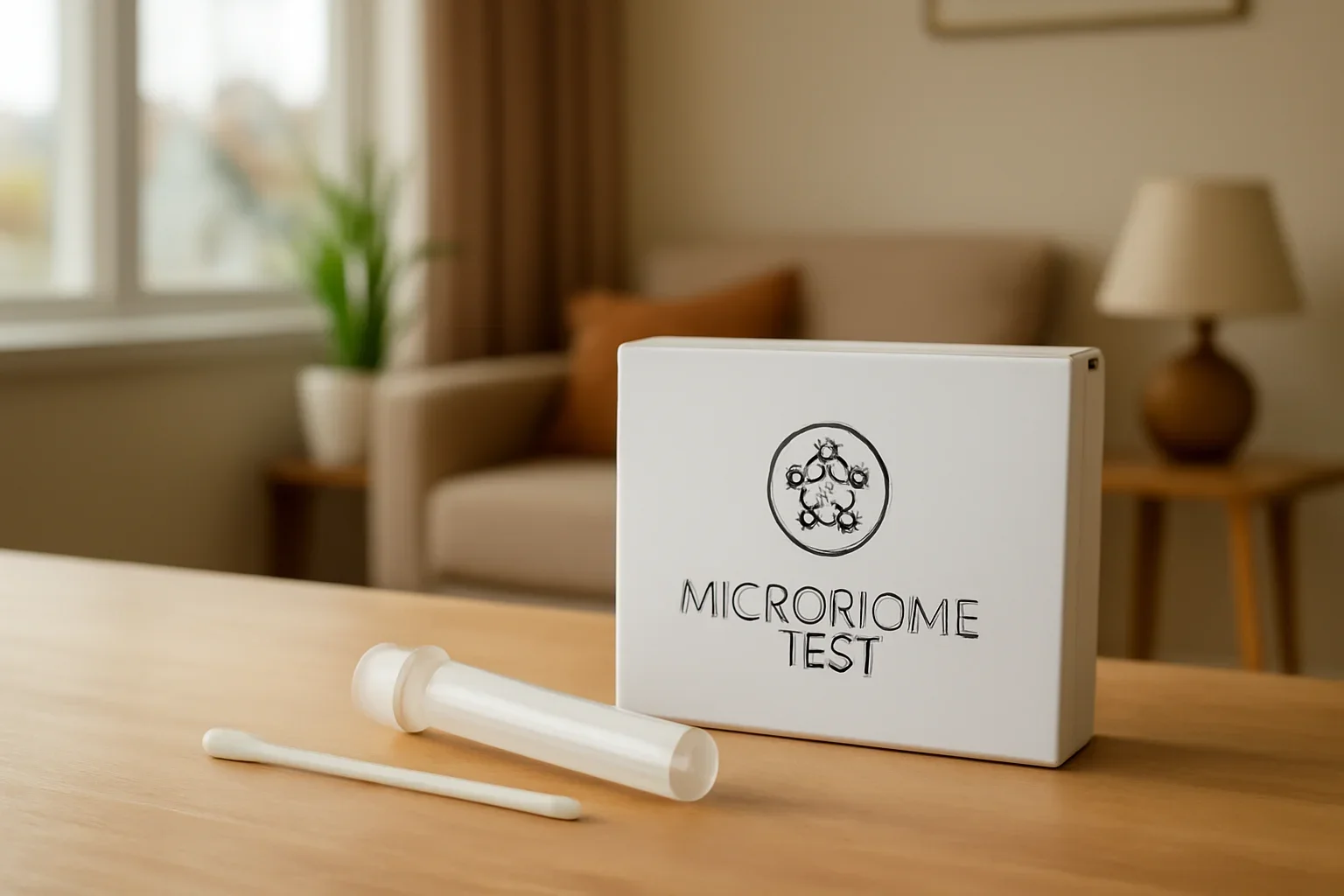
Calgary includes a substantial number of apartments and condominiums as well as detached and attached housing. For multi-unit residents, reliable delivery may depend on a complete unit number, recipient name and knowing whether parcels go to a lobby, concierge, locker, parcel room or another shared receiving area.
At-home collection can also make the process easier to fit around work, caregiving, study, training or other commitments. Convenience should not mean rushing the sample, though. Read the preparation, collection, storage and return instructions before choosing the collection window.
Practical rule: solve parcel receipt and sample return before opening the collection materials.
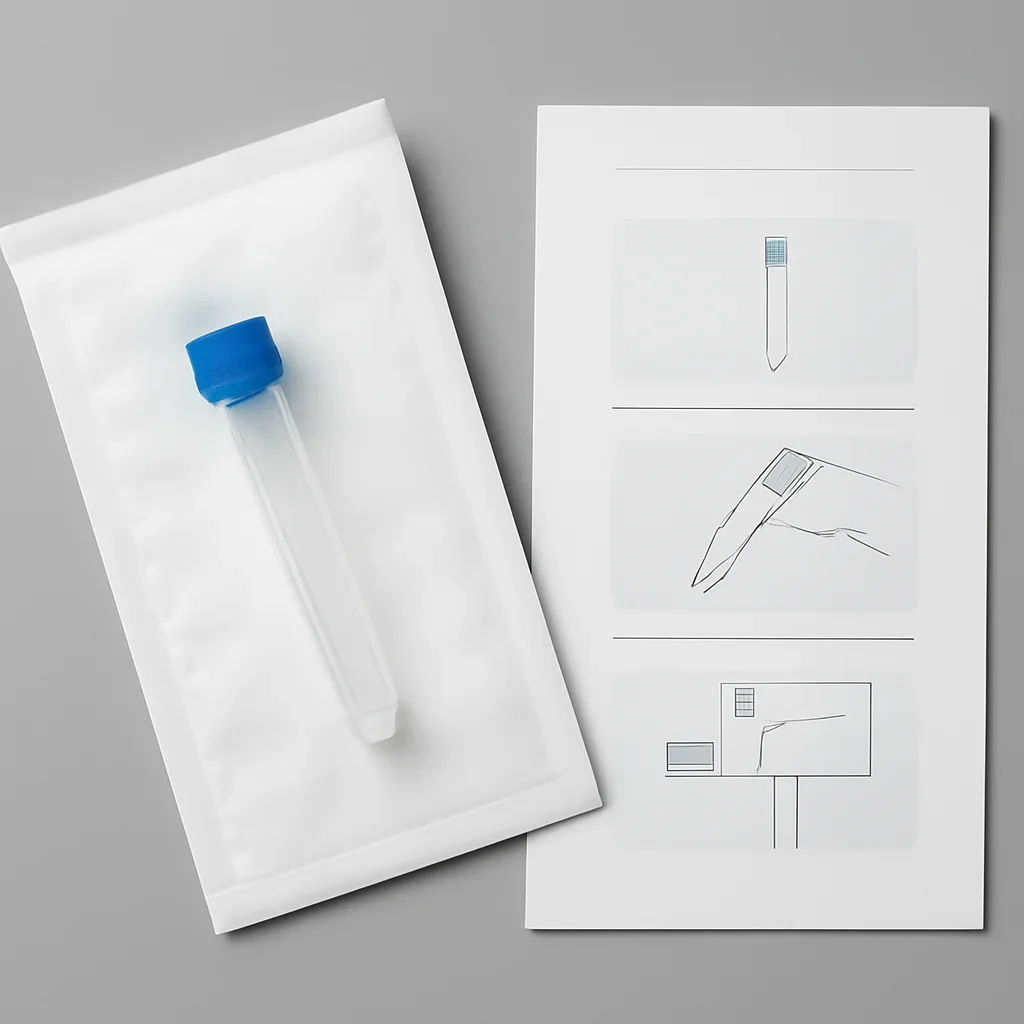
Calgary postal codes do not change the test. They do help determine how accurately the kit reaches the intended recipient.
Include the full unit or suite number and any ordinary building information needed for parcel delivery.
Know whether packages are normally left with a concierge, locker, parcel room or another controlled-access location.
Use the complete civic address and current contact details, then confirm the return route separately.
A city landing page should help Calgary residents complete the process correctly rather than repeat local place names.
Check the sample type, report scope and stated limitations before purchasing.
Pick a time when you can follow the preparation and post-collection steps without rushing between other commitments.
Know the packaging, destination, carrier and local deposit timing before the biological sample exists.
Understand what information you may receive and what personal or biological data is involved before submitting a sample.
These stages have different timing. Laboratory processing begins only after the returned sample reaches the laboratory, completes intake and is accepted for processing.
Review the product, sample requirement, report scope and limitations.
Check that the expected collection materials, labels and return packaging are present.
Follow the supplied instructions and use the designated return route for the selected test.
Read the results with the accompanying explanations and scientific limitations.
Delivery dates are estimates rather than guarantees. Outbound kit delivery, customer collection, return transit, carrier delays and laboratory intake are separate from laboratory processing.
People in the same city can eat very differently because of culture, preference, allergies, budget, training goals, medical advice or household routines. A Calgary page should not assume a diet from a postal code, neighbourhood or background.
Diet, medication, illness, collection and shipping can all affect a microbiome snapshot. When you review a result, use your own recent context rather than treating a city label as an explanation for what appears in the report.
Depending on the current reporting framework, a gut microbiome report may include bacterial composition, relative abundance, species richness, diversity information and educational nutrition or lifestyle content. One sample is an informational snapshot rather than a diagnosis.
Review the general structure and level of detail before deciding whether the output fits your goal.
view a sample microbiome reportRead findings with their terminology, method, scope and stated scientific limitations.
understand microbiome test resultsTesting can involve contact, shipping, order, sample-identification, laboratory-status, result and report information.
Review Privacy & DataCalgary delivery convenience does not change the medical limitations of microbiome testing.
This page focuses on Calgary delivery, multi-unit parcel access, home collection and sample-return planning. For broader provincial guidance, use microbiome testing in Alberta.
Practical answers about multi-unit delivery, busy schedules, sample return, diet context, reports, privacy and medical limitations.
Eligible kits can be ordered for supported Canadian delivery addresses. Use your complete Calgary address and review current product and checkout information before ordering.
Include the full recipient name, street address, unit or suite number, Calgary, Alberta, postal code and any ordinary building detail needed for reliable parcel receipt.
Yes, but convenience should follow the kit instructions. Read the preparation, collection, storage, labelling and return requirements first, then choose a time when you can complete the required steps without rushing.
A city page should not infer diet from cultural background, neighbourhood or postal code. Choose a test based on its sample type, scope and report. When interpreting an educational snapshot, consider your own recent diet and other personal context rather than a Calgary stereotype.
Use the packaging, destination, label, carrier and timing instructions supplied with your specific kit. Return postage may be included for some products and excluded from others. Keep tracking information when available.
Depending on the current reporting framework, a report may include bacterial composition, relative abundance, species richness, microbiome diversity and educational nutrition or lifestyle content. A sample report shows the general format rather than guaranteeing an identical future report.
Testing may involve contact, order, sample-identification, laboratory-status, result and report information. Review current privacy information before submitting a sample. Consumer microbiome testing is educational and should not be used to diagnose or treat a medical condition; persistent, severe, worsening or otherwise concerning symptoms should be assessed by an appropriately regulated healthcare professional.
Review the sample type, home collection instructions, parcel details, report, privacy information and testing limitations before deciding whether at-home microbiome testing fits your goal.