Stool Culture
A stool culture is designed to look for certain microorganisms capable of causing infection. When clinically relevant organisms grow, the laboratory may identify them and, in some situations, perform additional susceptibility testing.

Both may begin with stool, but they are not interchangeable tests. A consumer microbiome test is designed to profile and explain microbiome-related findings for educational use. A clinical stool test is selected to answer a specific medical question, such as looking for an infection, hidden blood, parasites or another clinically relevant finding.
Bottom line: if you need investigation of symptoms or a possible disease, infection or other medical condition, consumer microbiome profiling should not be used instead of a clinically indicated stool test.
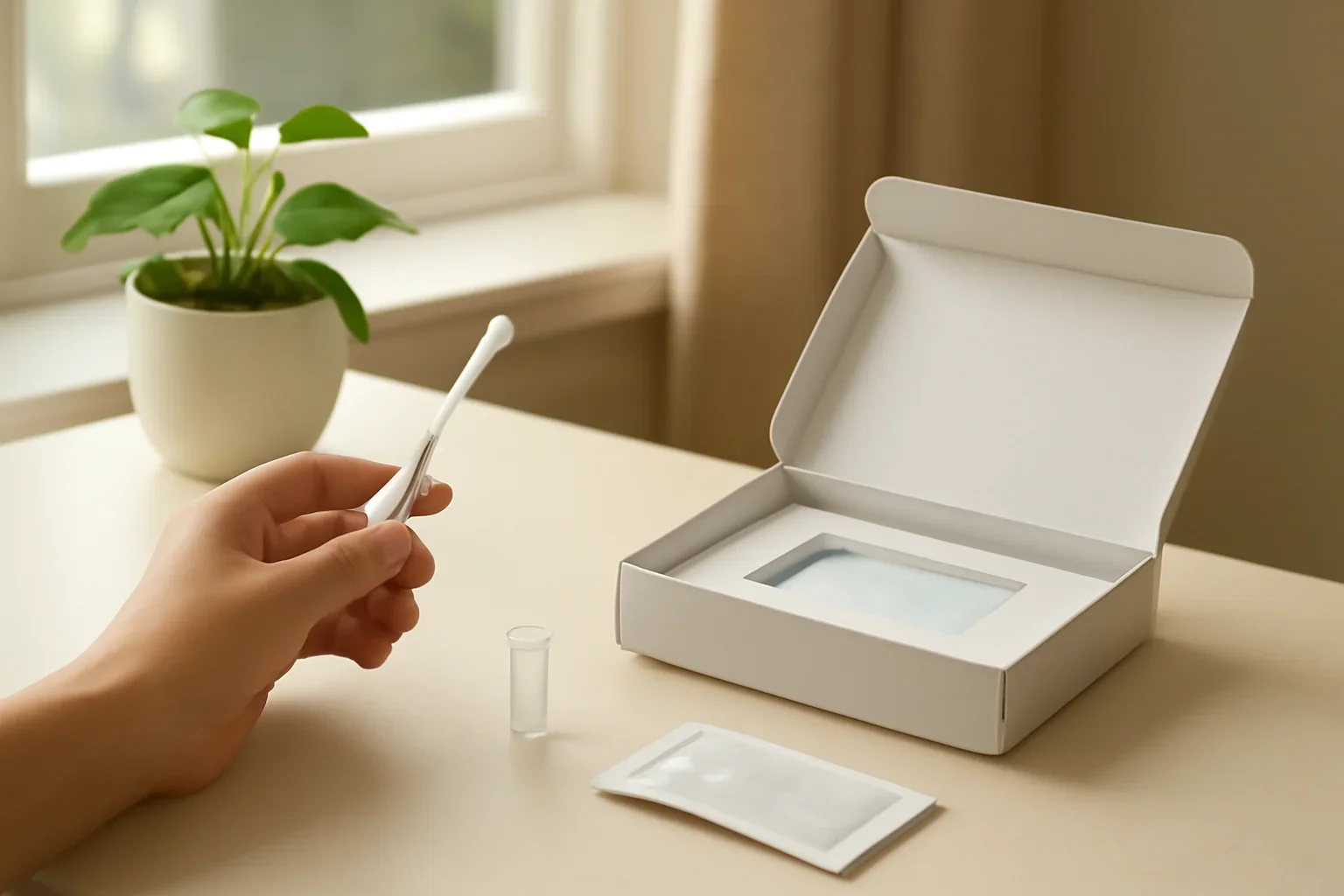
The sample material does not define the purpose of the test. A microbiome kit and a medical stool test can both involve stool, yet one may describe microbial communities while the other looks for a targeted clinical finding. The correct choice starts with the question being asked—not simply the fact that both use stool.
“Stool test” is a broad term. In healthcare, the exact test is selected according to the clinical question. Consumer microbiome profiling has a different purpose and should be compared on that basis.
| Comparison point | Consumer microbiome test | Clinical stool test |
|---|---|---|
| Primary purpose | Educational profiling of microbiome-related findings in the submitted sample. | Investigation, screening or diagnosis related to a specific medical question. |
| How the test is chosen | Usually selected by the consumer based on interest in their gut microbiome and report features. | Selected according to symptoms, medical history, screening criteria or another clinical indication. |
| What the laboratory is looking for | Microbiome composition or related microbial information according to the test's stated scope. | A defined target such as particular pathogens, hidden blood, parasites, inflammatory markers or other requested findings. |
| Typical report purpose | Education, microbiome interpretation and broader context. | Clinical decision-making within the context in which the test was ordered. |
| Can it diagnose an infection? | It should not be treated as a substitute for medically indicated pathogen testing. | Certain clinical stool tests are specifically designed to identify bacterial, viral or parasitic causes depending on the test ordered. |
| Can it detect hidden blood? | Not simply because the test uses stool. That requires a test specifically designed for that purpose. | FIT and related fecal blood tests are designed specifically to detect blood that may not be visible. |
| Is it a replacement for medical care? | No. Consumer microbiome information is educational. | It forms one part of medical assessment and still needs interpretation within the patient's clinical context. |
The term “regular stool test” can be misleading. Different stool investigations use different laboratory approaches because they are designed to answer different medical questions.
A stool culture is designed to look for certain microorganisms capable of causing infection. When clinically relevant organisms grow, the laboratory may identify them and, in some situations, perform additional susceptibility testing.
Some Canadian laboratory pathways use PCR or other molecular techniques to look for genetic material from selected enteric pathogens. The organisms included depend on the test and clinical laboratory pathway.
A fecal immunochemical test looks for hidden blood in stool and is used in colorectal screening pathways for eligible people. It does not provide a gut microbiome profile.
Depending on the medical question, stool may also be examined microscopically or tested for other substances and markers. The requested analysis determines what the result means.
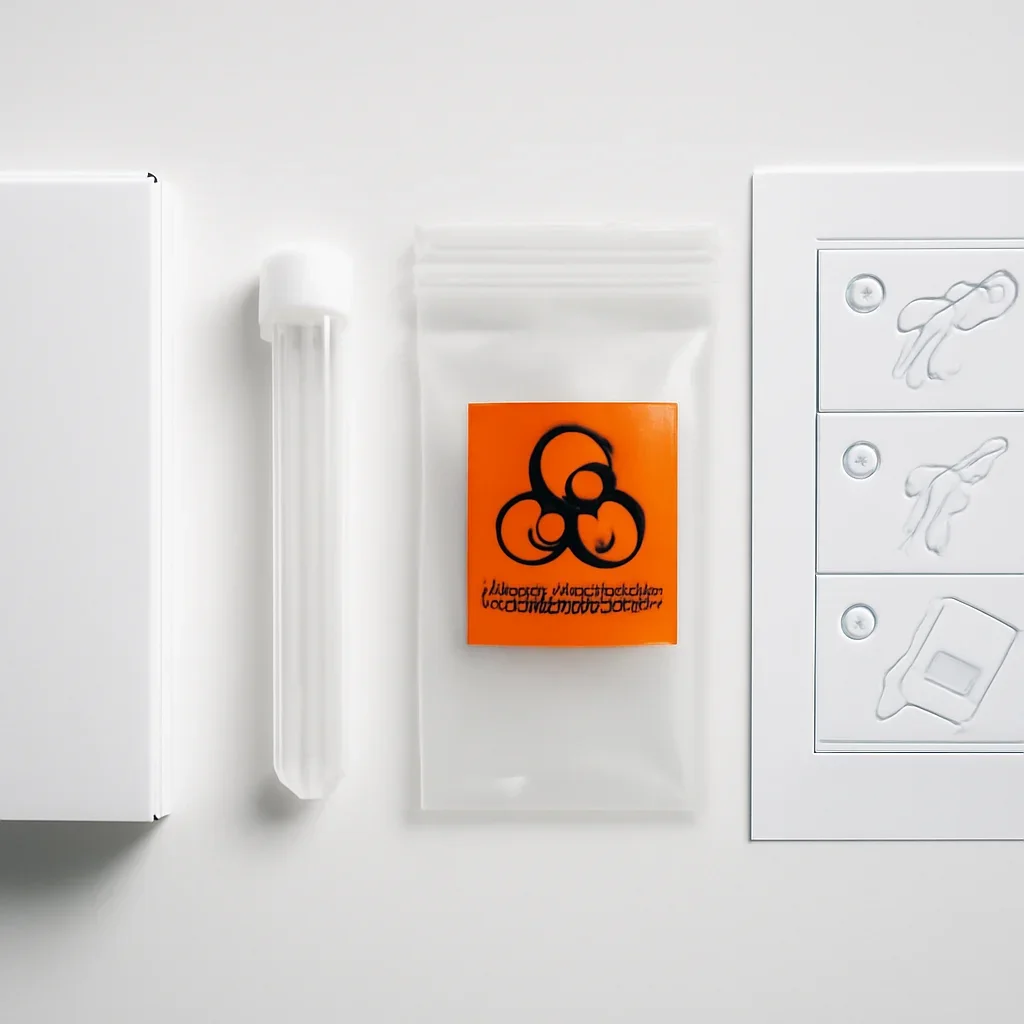
The useful comparison is not “Which stool test is better?” It is “Which test is designed to answer the question I actually have?”
If you are evaluating the consumer testing process itself, review how at-home microbiome testing works
Start with the outcome you need. That usually makes the distinction clearer than comparing the number of organisms listed or the design of the report.
You are primarily looking for an educational profile and want to explore microbiome-related findings, report language and broader context.
Likely direction: consumer microbiome testing may fit the question.
You are looking for diagnosis, infection testing, investigation of bleeding, evaluation of persistent digestive symptoms or another clinical answer.
Likely direction: speak with an appropriate regulated healthcare professional.
The biggest confusion comes from assuming that a broader microbial report and a targeted medical laboratory test answer the same question.
The number of microbial findings does not determine diagnostic value. A narrow clinical test can be more appropriate when it is designed specifically for the medical question being investigated.
A consumer microbiome profile should not be assumed to replace clinically indicated bacterial culture, pathogen PCR, parasite testing or other infection-focused laboratory work.
Clinical stool testing may use culture, molecular methods, microscopy, immunochemical testing or other approaches depending on the target being investigated.
Consumer microbiome reporting can add educational context, but it should not delay or replace an appropriate test selected for symptoms or another medical indication.
A consumer comparison page cannot determine which medical test you need. That depends on symptoms, duration, exposures, medications, medical history and the judgement of the healthcare professional assessing you.
If you have ongoing or worsening digestive symptoms, blood in stool, unexplained weight loss, persistent changes in bowel habits or another concerning change, do not use consumer microbiome profiling as a substitute for assessment.
Ongoing diarrhoea, abdominal symptoms or a significant change in bowel habits may require targeted investigation based on the clinical picture.
Blood in stool, unexplained weight loss, persistent vomiting or other concerning symptoms warrant medical assessment rather than waiting for a consumer microbiome result.
If the purpose of testing is to diagnose an infection or determine medical treatment, use a clinically appropriate testing pathway.
Once you have ruled out the expectation of medical diagnosis, the useful comparison shifts to report clarity, microbiome information, interpretation and transparent limitations.
Check which microbial findings, composition information, diversity-related measures or educational sections are included rather than assuming all microbiome reports are identical.
A useful consumer report should make clear what a finding means, where interpretation is uncertain and why a result should not be converted automatically into a medical conclusion.
A report preview helps you judge the actual information product before purchase rather than relying entirely on product-page claims.
Consumer microbiome testing can involve personal information, a biological sample, laboratory-related records and report data. Before ordering, review how those categories are described and how third-party providers may fit into the testing workflow.
Microbiome Testing Privacy and DataThis comparison separates consumer microbiome profiling from medically indicated stool diagnostics and uses Canadian laboratory and health-system sources to describe why stool testing cannot be treated as one single category.
Replace author and reviewer placeholders only with verified information. Do not imply physician, laboratory specialist or other professional review unless that review actually occurred.
Direct answers about diagnostic purpose, stool cultures, pathogen testing, screening and when a consumer microbiome report is the wrong tool.
No. Both may use stool, but they can have very different purposes. Consumer microbiome testing is generally designed to provide educational information about microbial communities. Clinical stool tests are selected to investigate specific questions such as infection, hidden blood, parasites or other medically relevant findings.
No. A stool culture is a clinical laboratory test designed to find certain microorganisms that may be causing infection. Consumer microbiome profiling has a different purpose and should not be assumed to rule out bacterial infection simply because bacterial names appear in the microbiome report.
Pathogen PCR is designed to detect genetic material from particular infectious organisms included in the clinical test. Microbiome profiling examines microbial-community information according to its own testing scope. A broader microbial report should not be interpreted as equivalent to a medically indicated pathogen panel.
Not simply because the test uses a stool sample. Detecting hidden blood requires a test designed for that purpose, such as FIT in colorectal screening pathways. If blood is visible or you have another concerning bowel change, seek appropriate medical assessment rather than relying on consumer microbiome testing.
Ongoing symptoms should be discussed with a regulated healthcare professional who can decide whether testing is needed and which test fits the clinical question. A consumer microbiome report may provide educational information, but it cannot determine which diagnostic stool test is medically appropriate for you.
They serve different purposes, so having one does not automatically make the other unnecessary. If the medical question has been addressed and you later want educational microbiome information, you can evaluate a consumer test separately. Follow any healthcare guidance and the kit's current collection instructions when planning the sample.
It makes more sense when your goal is educational exploration of your gut microbiome and you understand that the report is not a diagnostic stool test. Review what the test measures, how the sample is collected, what the report shows and the stated limitations before deciding whether the purchase fits.
Need medical investigation? Use the appropriate healthcare pathway. Want educational information about your gut microbiome and understand the limits? Review the consumer test before deciding whether it fits.