
Women's Gut Microbiome Guide

Microbiome Test for Women: What It Can—and Cannot—Tell You

A stool-based gut microbiome test can provide educational information about bacterial composition and related patterns in the submitted sample. For women, the important question is not whether the kit is “female-specific,” but how to interpret that information alongside life stage, pregnancy, menopause, medications and other health context without turning associations into diagnoses.

science Stool-based gut test cycle Life-stage context health_and_safety Non-diagnostic guidance
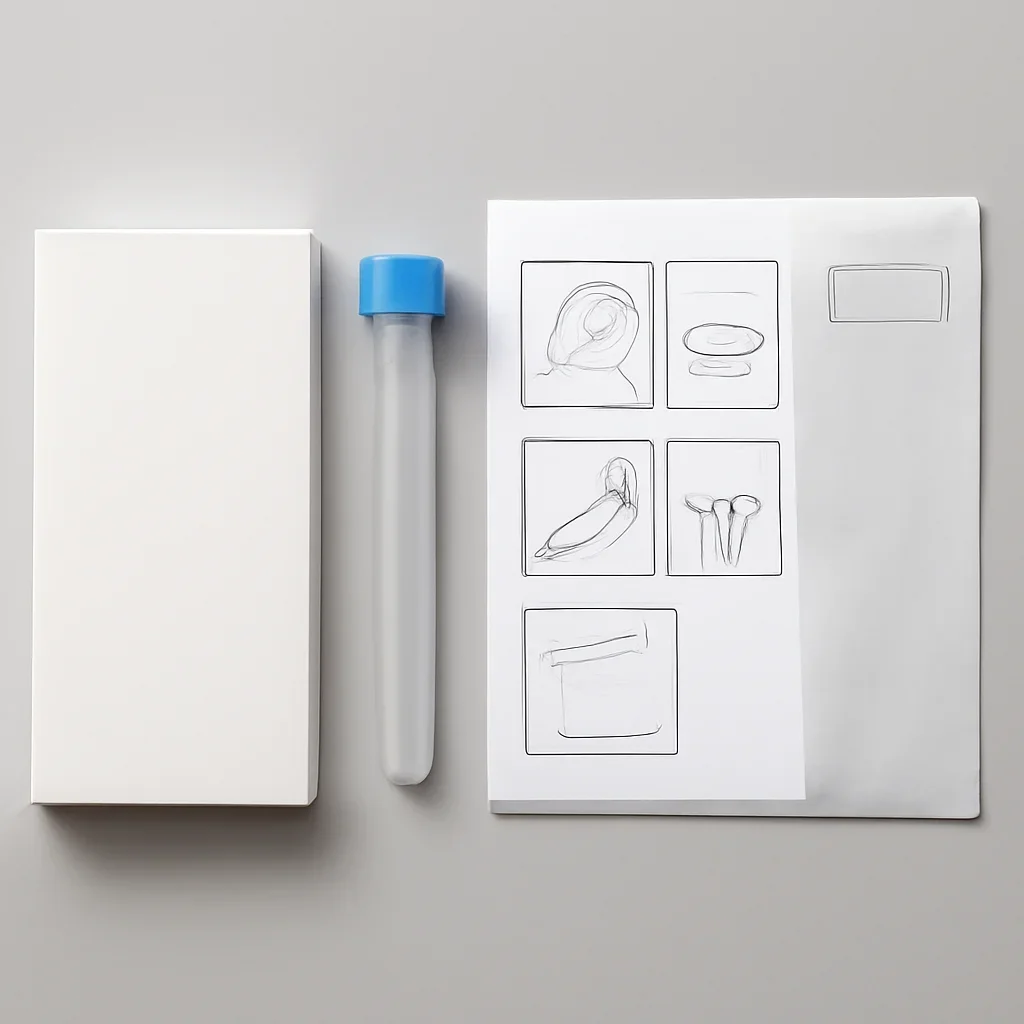
At-home microbiome test for women in Canada with stool collection kit
info Important Distinction

This is a gut microbiome test, not a vaginal microbiome or hormone test. The current service uses a stool sample. It should not be used to diagnose vaginal infection, fertility problems, PCOS, endometriosis, menopause, pregnancy complications or another reproductive-health condition.

Why Women Ask Different Questions

The Test Is the Same Type of Gut Test—Your Context May Be Different

Research has reported gut-microbiome differences across some female life stages and exposures, but consumer interpretation remains limited. These are useful context questions, not reasons to assume the report can diagnose a women's health condition.

calendar_month

Menstrual and Hormonal Context

A small 2025 pilot found gut-microbiome composition differences associated with hormonal contraception in physically active women, while menstrual phase itself did not significantly change the diversity measures studied. That evidence is too limited to create a clinical collection-timing rule.
pregnant_woman

Pregnancy and Postpartum

Research has observed gut-microbiome changes during pregnancy. A consumer stool report is still not a prenatal test, pregnancy-risk assessment or substitute for prenatal care.

change_circle

Perimenopause and Menopause

Studies have reported differences between pre- and postmenopausal gut microbiomes. Those population-level associations do not let a consumer report diagnose menopause, hormone status or an individual health risk.

medication

Medication and Supplement Context

Medications, probiotics, supplements, diet, illness and other exposures can influence microbiome patterns. Do not stop hormonal contraception or prescribed medication to create a “cleaner” sample.

Match the Question to the Right Test

What a Stool Microbiome Report Can Review vs What Needs Another Path

This distinction is especially important when someone arrives at a microbiome test with a hormonal, reproductive or gynaecological question.

Your Question What This Gut Test May Add What It Does Not Establish
What bacteria are represented in my stool sample? Bacterial composition and relative-abundance information within the current testing scope. Why a specific digestive or reproductive symptom is happening.
Has menopause changed my microbiome? A current stool-based snapshot that can be read as educational information. Menopausal status, estrogen level or whether a microbiome difference was caused by menopause.
Do I have a vaginal microbiome problem? Nothing diagnostic—the submitted sample is stool and the service focuses on the gut microbiome. Vaginal microbiome composition, bacterial vaginosis, yeast infection or another gynaecological diagnosis.
Could hormones or birth control affect my gut microbiome? The report can provide a stool-sample snapshot that you may discuss in context. Hormone levels, whether contraception caused a finding or whether medication should be changed.
Could this explain fertility, PCOS or endometriosis concerns? General educational gut-microbiome information only. Fertility status, PCOS, endometriosis or another reproductive diagnosis.
Life-Stage Context

Why the Same Report May Raise Different Questions at Different Stages

The gut microbiome is dynamic. Women may approach the same stool report with different questions depending on pregnancy, postpartum recovery, menopause, medication use, diet or digestive symptoms. The report itself does not identify which life-stage factor caused a pattern.

Key interpretation rule: association is not diagnosis. Research comparing groups of women does not create a validated individual reference range for pregnancy, menstrual cycle phase, contraception or menopause.

cycle

Menstrual Years

Current evidence does not justify using a particular cycle day as a universal consumer-test collection standard. Follow the supplied kit instructions.

medication

Hormonal Contraception

Emerging research suggests possible microbiome differences, but it does not tell an individual user whether contraception caused a particular report finding.

pregnant_woman

Pregnancy and Postpartum

Pregnancy-related microbiome research is interesting scientifically, but a consumer report should not be interpreted as prenatal screening or pregnancy care.

change_circle

Perimenopause and Menopause

Group-level studies have observed postmenopausal microbiome differences. The report cannot measure estrogen or diagnose menopausal status.

Microbiome test for women in Canada with at-home stool collection materials
Collection Without Guesswork

You Do Not Need to Invent a Women-Specific Collection Routine

MicrobiomeTest.ca currently describes a standard at-home stool collection process. The site does not publish a menstrual-cycle-specific collection rule for this test, so the individual kit instructions—not assumptions about hormones or cycle timing—should guide collection.

  • check_circleRead the complete kit instructions before collecting.
  • check_circleDo not stop prescribed medication or hormonal contraception solely for the test.
  • check_circleDo not make an extreme or unnecessarily restrictive diet change to try to “improve” the sample.
  • check_circleFollow the supplied labelling, packaging and return instructions.
  • check_circleAsk a healthcare professional about medical timing questions rather than relying on a consumer report.
Women's Health Limitations

Do Not Turn a Gut Microbiome Report Into a Women's Health Diagnosis

A stool report can add educational context about the submitted sample. It cannot replace the clinical assessment needed for hormonal, reproductive, pregnancy, gynaecological or persistent gastrointestinal concerns.

The Report May Help You Explore

  • check_circleBacterial composition within the test's current scope.
  • check_circleRelative-abundance information and other report-level microbiome descriptors.
  • check_circleEducational diversity or species-richness information when included.
  • check_circleFood or lifestyle education connected with report patterns when included.

The Report Should Not Be Used To

  • blockDiagnose PCOS, endometriosis, menopause, fertility problems or pregnancy complications.
  • blockDiagnose vaginal infection or describe the vaginal microbiome.
  • blockMeasure estrogen, progesterone or other hormone levels.
  • blockDecide whether to start, stop or change birth control, medication or treatment.

If you have persistent, severe, worsening or otherwise concerning symptoms, are pregnant and have a medical concern, or need help with reproductive or hormonal questions, speak with a regulated healthcare professional.

Canadian Buying Considerations

Privacy and Practical Details Still Matter as Much as the Science

Before ordering from Canada, review the current delivery and sample-return instructions, the report format, the indicative laboratory timing, and how personal, order, sample-related and report information may be handled.

The current process lists an indicative laboratory turnaround of 15–20 working days after an acceptable sample reaches the laboratory. Delivery to you and return transit are separate from that laboratory period.

local_shipping

Canadian Delivery

Confirm current shipping and return instructions for your actual address before checkout.

schedule

Laboratory Timing

The current indicative 15–20 working day period starts after an acceptable sample reaches the laboratory.

shield_lock

Sample and Data Questions

Read the current privacy information before submitting personal information or a biological sample.

description

Report Preview

Inspect the type of report output before buying rather than relying only on audience-specific marketing language.

Choose Your Next Step

Use the Page That Matches the Question You Still Have

This women's guide handles audience-specific context. Product details, report examples and purchasing information belong on their dedicated pages.

Evidence-Aware Women's Health Context

Why This Page Separates Research Associations From Test Claims

Studies have observed gut-microbiome changes across pregnancy and menopause, and emerging research is exploring hormonal contraception and other female health contexts. Those studies do not validate a consumer stool test for diagnosing hormonal or reproductive conditions.

Current expert consensus also cautions against overextending commercial microbiome testing into clinical conclusions that are not supported by validated diagnostic evidence.

Written by [Author Name], [Role / relevant credentials]
Reviewed by [Reviewer Name], [Professional role / credential if applicable]
Last reviewed August 19, 2026

Replace the author and reviewer placeholders with real, verified information. Do not imply gynaecological, reproductive, pregnancy or medical review unless an appropriately qualified reviewer actually reviewed the final page.

pregnant_woman

Koren et al., 2012 — pregnancy and the gut microbiome
Longitudinal research reporting gut-microbiome changes across pregnancy.

change_circle

Peters et al., 2022 — menopause and gut microbiome differences
Study comparing gut-microbiome features in pre- and postmenopausal women.

medication

Brito et al., 2025 — hormonal contraception pilot study
Small study exploring gut-microbiome diversity and composition in physically active women.

science

International consensus statement on microbiome testing
Expert recommendations addressing interpretation, reporting and current clinical limitations.

Women's Microbiome Testing FAQs

Common Questions Before Ordering

Direct answers to the women-specific questions that are easy to overstate on a commercial microbiome page.

Is a microbiome test for women different from a general gut microbiome test? expand_more

The current MicrobiomeTest.ca service uses a stool sample to examine the gut microbiome; it is not described as a separate women-only laboratory assay. This page is different because it addresses women-specific questions about life stage, pregnancy, menopause, hormonal context and suitability while keeping the same testing limits and non-diagnostic report framework.

Does this test examine the vaginal microbiome? expand_more

No. The current test uses a stool sample and focuses on the gut microbiome. It is not a vaginal-swab test and should not be used to diagnose vaginal infection, bacterial vaginosis, yeast infection or another gynaecological condition. If you have genital or reproductive-health symptoms, speak with an appropriate regulated healthcare professional.

Can a gut microbiome test tell me about hormones, fertility, PCOS or menopause? expand_more

No. Research has found associations between female life stages, hormones and gut-microbiome patterns, but a consumer stool report does not measure hormone levels or diagnose fertility problems, PCOS, endometriosis or menopause. Treat the report as educational microbiome information. Use a regulated healthcare professional for hormonal, reproductive or diagnostic questions.

Can I use a microbiome test during pregnancy or after giving birth? expand_more

This is not a prenatal, pregnancy or postpartum diagnostic test. Pregnancy is associated with changes in the gut microbiome, but those research findings do not make a consumer report a pregnancy-health assessment. If you are pregnant, recently gave birth or have pregnancy-related symptoms, discuss testing and any diet, supplement or medication questions with your healthcare professional.

Do I need to collect the stool sample at a certain point in my menstrual cycle? expand_more

MicrobiomeTest.ca does not currently publish a menstrual-cycle-specific collection requirement. Follow the instructions supplied with your individual kit rather than creating your own timing rule. Research on cycle phase and the gut microbiome is still developing, so a consumer test should not imply that one cycle day produces a clinically superior or diagnostic sample.

Should I stop birth control, probiotics, supplements or medication before testing? expand_more

Do not stop or change prescribed medication or hormonal contraception solely for a consumer microbiome test. Medications, supplements, probiotics, illness, diet and other exposures may influence microbiome patterns, so your report is best understood as a snapshot of the submitted sample. Ask a regulated healthcare professional before changing treatment or medication timing.

Choose a Gut Test for What It Actually Measures

If your goal is educational information about a stool-based gut microbiome profile—and you understand that the report is not a hormone, fertility, vaginal-microbiome or women's health diagnostic test—you can review the current test options with clearer expectations.

female Review Women's Context