Microbiome Test for Athletes: Canadian Buying Guide
A Canadian athlete's buying guide

Microbiome Test for Athletes in Canada

A microbiome test can give athletes an educational snapshot of bacterial patterns detected in a stool sample. What it cannot do is tell you whether your microbiome is making you faster, slowing recovery, causing a training plateau, or prescribing the ideal sports diet.

fact_check

Best mindset: use the report as context, not as a performance score. Athlete microbiome research is developing, and findings from research cohorts should not be turned into individual training or treatment claims.

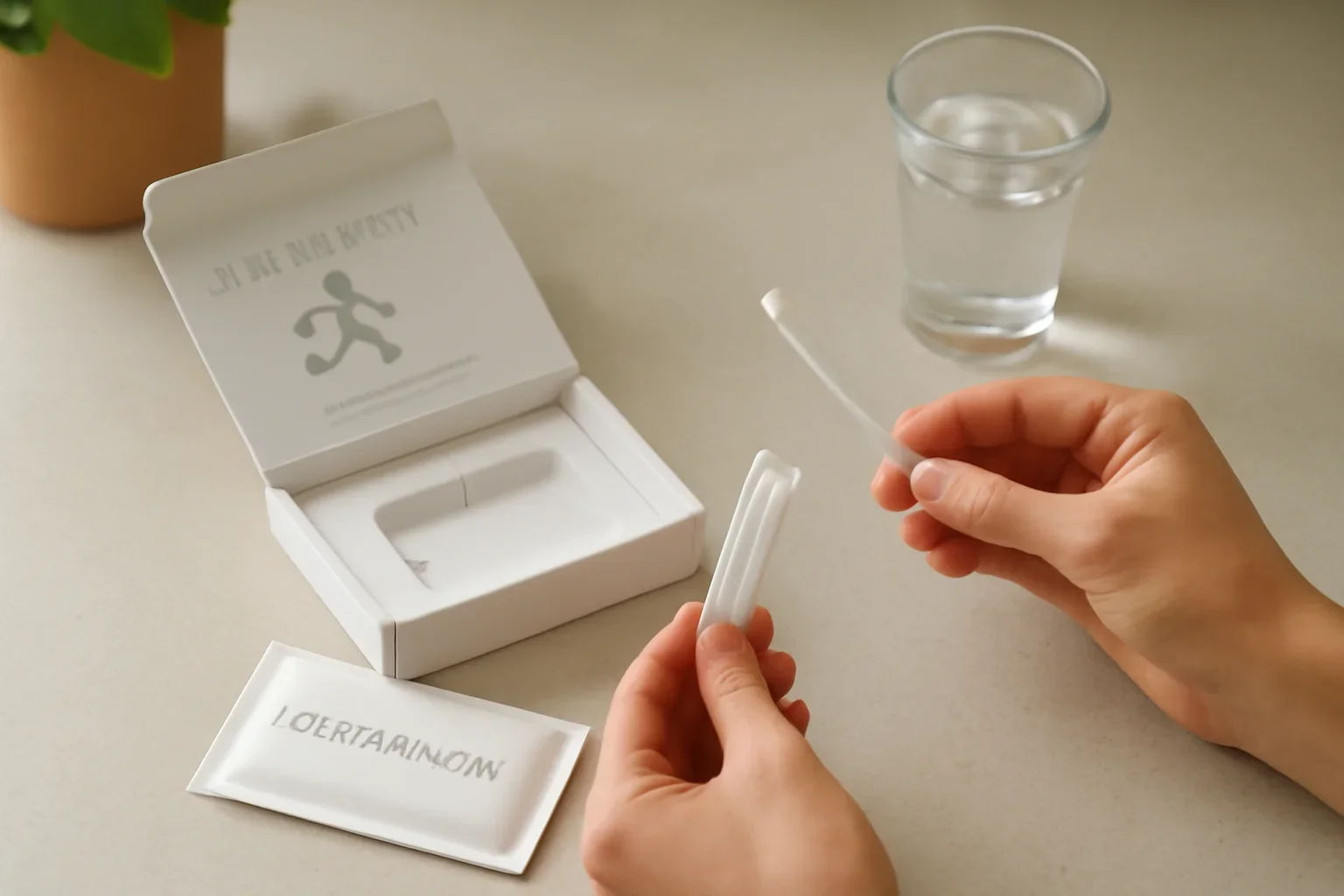
At-home microbiome test for athletes with collection kit and sports training items
Start with your reason for testing

Three questions athletes should answer before buying

A useful decision starts with the question you want the test to answer. Some goals fit an educational microbiome report. Others require a completely different type of assessment.

01

Are you looking for a snapshot or a diagnosis?

If you want to explore bacterial composition, diversity and related report information from a stool sample, consumer testing may fit. If you need to determine why you have symptoms or whether you have a medical condition, start with regulated healthcare.

02

What would you actually do with the report?

Decide whether you mainly want to learn, document a point in time or prepare better questions. A report should not become a reason to make unsupported changes to training, medication, treatment or nutrition simply because one organism appears high or low.

03

Is your current routine representative?

Athletes move through training blocks, competitions, travel and changing food routines. Because a stool sample represents one point in time, it helps to remember what was happening around collection rather than treating the report as a permanent profile.

Athlete reviewing microbiome testing information beside sports equipment and an at-home test kit
Research without the hype

Athlete microbiomes are being studied, but there is no universal athlete score

Research has reported differences between some athletic groups and less-active comparison groups. Other studies have explored associations between microbial features, training and performance measures.

Those findings are scientifically interesting, but they do not create a single microbiome profile that every runner, cyclist, lifter, field-sport athlete or recreational competitor should try to match.

  • check_circle Different sports can involve very different training loads, diets and environments.
  • check_circle Associations found in groups do not automatically predict what a finding means for one athlete.
  • check_circle A particular bacterium should not be labelled a personal performance advantage or disadvantage from a consumer report alone.
  • check_circle Research findings do not convert a consumer microbiome test into a clinical or sports-performance diagnostic.

Important distinction: microbiome science can investigate relationships between microbes, exercise and physiology. A consumer test answers a narrower question: what bacterial information was detected and reported from the submitted sample within the scope of that test?

A realistic use case

What an athlete can reasonably use a microbiome report for

The strongest use case is education and context. That is deliberately narrower than promising better performance, faster recovery or personalised treatment.

analytics

Review a structured snapshot

See how the report organises bacterial composition, relative abundance, diversity or other included findings instead of trying to interpret isolated microbiome claims from unrelated online content.

history

Add context to your own records

Keep the report alongside notes about the period when you collected the sample. That may make the snapshot easier to understand later without assuming that every difference was caused by training.

forum

Ask more informed questions

A clear report can help you learn microbiome terminology and identify questions worth discussing. Medical, nutrition-treatment or symptom-related decisions should still be handled through appropriately qualified professionals.

Keep the question within scope

What the report can show versus what it cannot establish

Athlete questions often sound performance-specific. The report itself remains a microbiome report, so separate the information it can display from conclusions it cannot support.

Athlete question What the report may help you review What it cannot establish
“Is my gut limiting my performance?” Bacterial findings, composition, diversity or related information included within the report. That your microbiome is the cause of slower race times, lower power, fatigue or a training plateau.
“Is my current sports diet working?” A microbiome snapshot that you can consider alongside your own diet and training context. Whether your fuelling strategy is optimal, whether you are meeting nutrient needs or which diet will improve performance.
“Am I recovered enough to train?” The microbiome information detected in the submitted stool sample. Training readiness, muscle recovery, injury status or whether you should increase or reduce training load.
“Do I have a food intolerance?” Microbiome findings that fall within the selected test's reporting scope. A diagnosis of food allergy, intolerance or another explanation for gastrointestinal symptoms.
“Do I have the right athlete bacteria?” Organisms or microbial groups identified within the report's methodology. Whether your microbiome is “elite,” whether one bacterium makes you a better athlete or whether adding a particular organism will improve performance.

Bottom line: an association in sports-microbiome research is not the same as an individual diagnosis, treatment target or proven route to better athletic performance.

Your sample is a snapshot

Remember what was happening around collection

You do not need to create your own athlete-specific collection protocol. Follow the instructions supplied with the kit.

For your own records, however, it can be useful to remember whether the sample came from a normal period or an unusually different week.

exercise Training phase

Note whether you were in a normal training period, a reduced-load week or another unusually different phase. The point is context, not to infer that training caused a particular bacterial result.

restaurant Eating pattern

Major changes in your usual food routine are relevant background when looking back at a snapshot. Do not use a consumer report by itself to prescribe or unnecessarily restrict your diet.

flight Travel and competition

Competition travel can change schedules, meals, sleep and environment. If your sample was collected during an unusual period, simply keep that information with your records when reviewing the report.

medical_information Recent health context

Illness and medication history may matter when interpreting microbiome information. Never stop, start or change prescribed medication because of a consumer microbiome result.

Collection rule: kit-specific instructions take priority. If an instruction about preparation, collection, labelling or return is unclear, resolve that question before collecting the sample rather than relying on general athlete advice online.

Before checkout

Six things to check before an athlete orders a test

Compare the actual product, process and reporting experience rather than choosing a kit because of broad claims about fitness or athletic performance.

shopping_cart

6. Check the current checkout details

Confirm the selected test, current price, delivery option and complete checkout total before payment. Do not rely on an old article or cached search result for current commercial details.

Canadian practicalities

Fit the testing process around your schedule, not the other way around

If you train, compete or travel regularly, consider the entire round trip: receiving the kit, completing collection correctly, returning the sample and waiting for laboratory processing.

home_health

At-home stool collection

The current consumer process uses a small stool sample collected at home with the materials supplied in the kit. Read the individual kit instructions completely before beginning collection.

local_shipping

Plan for two transit stages

Delivery to your Canadian address and return transit to the laboratory are separate from laboratory processing. This distinction matters if you are working around travel or competition dates.

schedule
15–20 working days

Current indicative laboratory turnaround

The current site lists this estimate after an acceptable sample reaches the laboratory and is accepted for processing. Shipping time, recollection, repeat analysis and operational issues can extend the complete timeline.

medical_services

When an athlete should start with healthcare instead

Consumer microbiome testing is not the right first step when your main goal is diagnosis, treatment, medication advice or investigation of symptoms that are persistent, severe, worsening or otherwise concerning.

In those situations, speak with an appropriately regulated healthcare professional. They can consider your history, symptoms and other relevant information and determine whether clinical assessment or diagnostic testing is appropriate.

The same boundary applies to sports-performance decisions. A consumer microbiome report should not be used by itself to decide whether an athlete should change medication, treatment, rehabilitation, training load or a medically required diet.

Editorial transparency

How this athlete guide was reviewed

This page separates published athlete-microbiome research from claims a consumer microbiome report can responsibly make about one person.

Page review record

Written by: [Author Name, Role]

Reviewed by: [Reviewer Name, Relevant Credentials]

Last reviewed: August 19, 2026

Review focus: athlete-specific evidence, current consumer testing scope, non-diagnostic language, Canadian ordering context, privacy transparency and avoidance of unsupported performance claims.

Research sources reviewed

Barton W, et al. Gut. 2018.

Professional athlete microbiome research comparing rugby players with control groups and examining compositional and functional differences.

Review the PubMed record

Scheiman J, et al. Nature Medicine. 2019.

Research examining Veillonella in elite athletes and experimental work investigating lactate metabolism and exercise performance.

Review the PubMed record

Humińska-Lisowska K, et al. PLOS ONE. 2024.

Case-control research evaluating microbiome features and performance measures in athletic and non-athletic participants.

Review the PubMed record

Porcari S, et al. Lancet Gastroenterology & Hepatology. 2025.

International consensus addressing microbiome testing standards, reporting, evidence gaps and current limitations in clinical use.

Review the PubMed record
Athlete questions

Microbiome test for athletes FAQs

Direct answers to the questions that matter when training goals and consumer microbiome testing overlap.

Can a microbiome test tell me whether my gut is limiting athletic performance? expand_more

No. A consumer microbiome report may show bacterial composition, diversity or related findings from your stool sample, but it cannot establish that your microbiome is causing fatigue, slower race times, reduced power or poor recovery. Athletic performance depends on many factors that cannot be evaluated from a microbiome report alone.

Should I take a microbiome test during race week or a normal training block? expand_more

MicrobiomeTest.ca does not publish a special race-week testing protocol for athletes. Follow the collection instructions supplied with your kit. For your own records, note whether collection occurred during a normal routine, travel, competition or another unusual period so you remember the context when reviewing the snapshot later.

Can the results tell me what I should eat for training or recovery? expand_more

The report should not be treated as a prescription for an athlete's diet or as proof that a particular food will improve performance. Nutrition needs depend on the individual, sport, training demands and health context. Avoid making unnecessary dietary restrictions from one bacterial result, especially when professional nutrition guidance is needed.

Can I repeat the test and compare different training periods? expand_more

Separate tests can provide snapshots from different points in time, but a change between reports does not prove that training caused the difference. Diet, illness, medication, travel, collection conditions and normal microbiome variation may also matter. Record the surrounding context and avoid treating a before-and-after comparison as a controlled experiment.

What if I am testing because I have digestive symptoms while training? expand_more

A consumer microbiome report is not designed to determine the medical cause of digestive symptoms. If symptoms are persistent, severe, worsening or otherwise concerning, speak with a regulated healthcare professional. They can assess your history and decide whether clinical testing, treatment or another form of evaluation is appropriate.

How long should a Canadian athlete allow for the testing process? expand_more

The current site lists an indicative laboratory turnaround of 15–20 working days after an acceptable sample reaches the laboratory and is accepted for processing. Delivery to you and return shipping are separate. Recollection, repeat analysis, holidays, laboratory workload or other operational issues can make the complete process longer.

Choose the test for the information it can actually provide

If an educational stool-microbiome snapshot matches your goal, review the current product and checkout information. If you need diagnosis, treatment or a performance prescription, use the appropriate healthcare or sports professional instead.

fact_check Buying Checklist