Sudden or severe abdominal pain
New severe abdominal pain, or pain that becomes significantly worse, needs clinical assessment rather than an attempt to explain it through microbiome composition.

An at-home microbiome test can be useful for learning about microorganisms detected in a submitted sample, but it is not designed to determine why you have severe, persistent or worsening digestive symptoms. Some symptoms belong in a healthcare conversation first. This guide explains the difference so Canadians can make a safer and better-informed decision about when microbiome testing fits—and when medical assessment matters more.
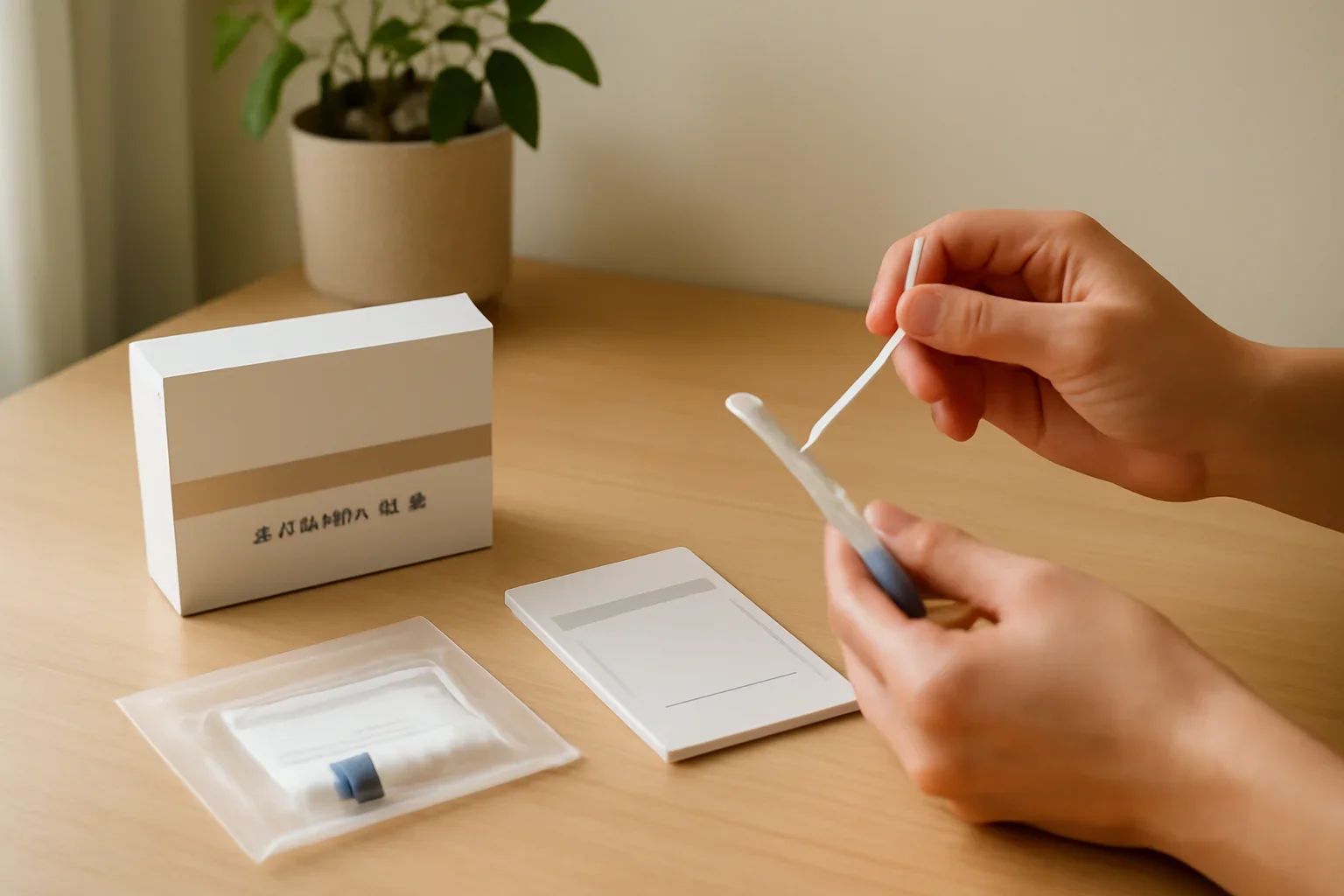
Seek appropriate medical care when digestive symptoms are severe, suddenly different, persistent, repeatedly worsening or accompanied by concerning signs such as visible bleeding, repeated vomiting, difficulty keeping fluids down, significant dehydration, fever with worsening digestive symptoms, unexplained weight loss or symptoms that regularly wake you from sleep.
A consumer microbiome report may describe microorganisms found in a sample, but it cannot independently determine the medical cause of these symptoms. If the main question is “Why am I sick?” rather than “What does my microbiome sample show?”, medical assessment is the more appropriate starting point.
A symptom does not automatically mean something serious is happening, but certain patterns deserve timely medical assessment. A mail-in consumer test is not designed to triage urgent symptoms.
New severe abdominal pain, or pain that becomes significantly worse, needs clinical assessment rather than an attempt to explain it through microbiome composition.
Blood associated with bowel movements or vomiting is a medical symptom. A consumer microbiome report cannot determine the source or seriousness of gastrointestinal bleeding.
Repeated vomiting, inability to keep fluids down, dizziness or other signs of meaningful dehydration can require prompt medical attention. Waiting for a consumer test report does not address the immediate problem.
Fever occurring alongside worsening abdominal pain, persistent diarrhea, vomiting or feeling significantly unwell can change the level of concern and should not be interpreted through a microbiome score alone.
Unintentional weight loss or a persistent unexplained loss of appetite deserves medical context, especially when it occurs with ongoing abdominal or bowel symptoms.
Digestive symptoms that keep returning, become more severe, fail to improve or regularly interrupt sleep may need evaluation beyond consumer gut-health education.

A consumer microbiome test begins with a biological sample and produces information according to the laboratory method and reporting system used. That can be useful when your goal is to learn about the microorganisms or microbial patterns identified in that sample.
Medical evaluation starts with a different question. A healthcare professional can consider your symptoms, timing, physical findings, medications, medical history and, when appropriate, validated diagnostic tests. Those pieces of information cannot be replaced by a consumer microbiome profile.
Understanding the distinction before ordering helps prevent unrealistic expectations and makes consumer testing more useful when it is appropriate.
Start with the purpose of your question rather than the product you are considering.
If significant pain, bowel changes, vomiting, fever, bleeding or another concerning symptom is driving your search, the priority is determining whether medical assessment is appropriate.
If your goal is educational exploration of your submitted sample, review the testing process and sample report before deciding whether that information will be useful.
Preview the sample report arrow_forwardA useful purchasing decision includes the limitations. Do not assume that receiving more microbiome data is equivalent to receiving a medical diagnosis.
Review the science arrow_forwardCanada does not operate as one single provincial healthcare system. Provinces and territories manage their own healthcare services, so the practical route for a non-emergency digestive concern can vary depending on where you live.
In several provinces, 811 services can help residents speak with a nurse or health navigator and determine an appropriate local care option. British Columbia uses HealthLink BC 8-1-1, Ontario provides Health811, and Québec residents can use Info-Santé 811.
If symptoms appear severe or potentially life-threatening, do not wait for a mail-in test, online report or routine advice service before seeking emergency care.
Use emergency services when symptoms appear immediately dangerous or severe. A consumer microbiome kit is not an emergency assessment tool.
Provincial health advice services can help residents understand appropriate local options where those services are available.
Access routes, clinics and local services differ. Good Canadian health content should acknowledge that reality rather than pretending one care pathway applies nationally.
Once urgent or diagnostic questions are separated from your testing goal, you can evaluate whether an educational microbiome report still matches what you want to learn.
Explore the gut microbiome test arrow_forwardOnce you are clear that your goal is educational rather than diagnostic, evaluate the test like any other health-related information product: understand what happens before, during and after collection.
Look at the sample report before ordering so you know which measurements, explanations and limitations will actually be included.
View the sample report arrow_forwardLearn what consumer microbiome testing measures and why a stool-based microbial profile should not be treated as a complete gastrointestinal assessment.
Start with the beginner's guide arrow_forwardReview common questions about collection, ordering, results and limitations rather than discovering those details after your kit arrives.
Browse the FAQ arrow_forwardThis article intentionally separates consumer microbiome education from medical triage. Symptom guidance is based on Canadian public-health and provincial health-system resources rather than attempting to diagnose individual readers.
The microbiome-testing sections reflect current scientific consensus that microbiome testing involves complex sample, sequencing, analytical and interpretation steps and should not be presented as a stand-alone answer to clinical questions.
Short answers to help separate educational consumer testing from situations that require medical assessment.
No. A consumer microbiome report can describe information from the analyzed sample, but it cannot independently determine the medical cause of abdominal pain. New, severe, persistent or worsening pain should be assessed through an appropriate healthcare pathway.
Visible gastrointestinal bleeding is a medical symptom rather than a consumer microbiome-testing question. Seek appropriate medical advice instead of relying on a microbiome report to identify the cause.
Symptoms that become more frequent, more severe or fail to improve deserve medical context. Consumer microbiome testing should not delay assessment when your health is getting worse.
Unintentional weight loss can be relevant medical information, particularly when it occurs with ongoing digestive symptoms or an unexplained appetite change. Discuss it with an appropriate healthcare professional rather than assuming the microbiome is the cause.
Several Canadian provinces provide 811 health-advice services, including British Columbia, Ontario and Québec. Availability and service structure can differ by province or territory, so use the official health service for your location. Emergency symptoms still require emergency care.
Consumer microbiome testing is easier to evaluate when your goal is educational—for example, learning about microorganisms or microbial patterns reported from your submitted sample—rather than trying to diagnose the cause of significant symptoms.
Yes. Previewing the report helps you understand what information you may receive, how results are presented and whether the test matches what you actually want to learn.
Once medical concerns have been separated from your testing goal, review what the at-home test analyzes and preview the report before ordering. That gives you a clearer picture of what consumer microbiome testing can—and cannot—add.