Kit delivery may take longer
Rural and remote destinations can have different delivery standards from major urban centres. Distance, transportation frequency and carrier availability can all affect when a parcel arrives.

At-home microbiome testing can remove the need for a routine clinic visit just to collect a consumer stool sample, which can be useful when you live far from a major Canadian city. But rural and remote testing requires more planning around delivery addresses, parcel pickup, weather, sample return and transit time. This guide explains what to check before ordering from rural Canada, northern communities and the territories.
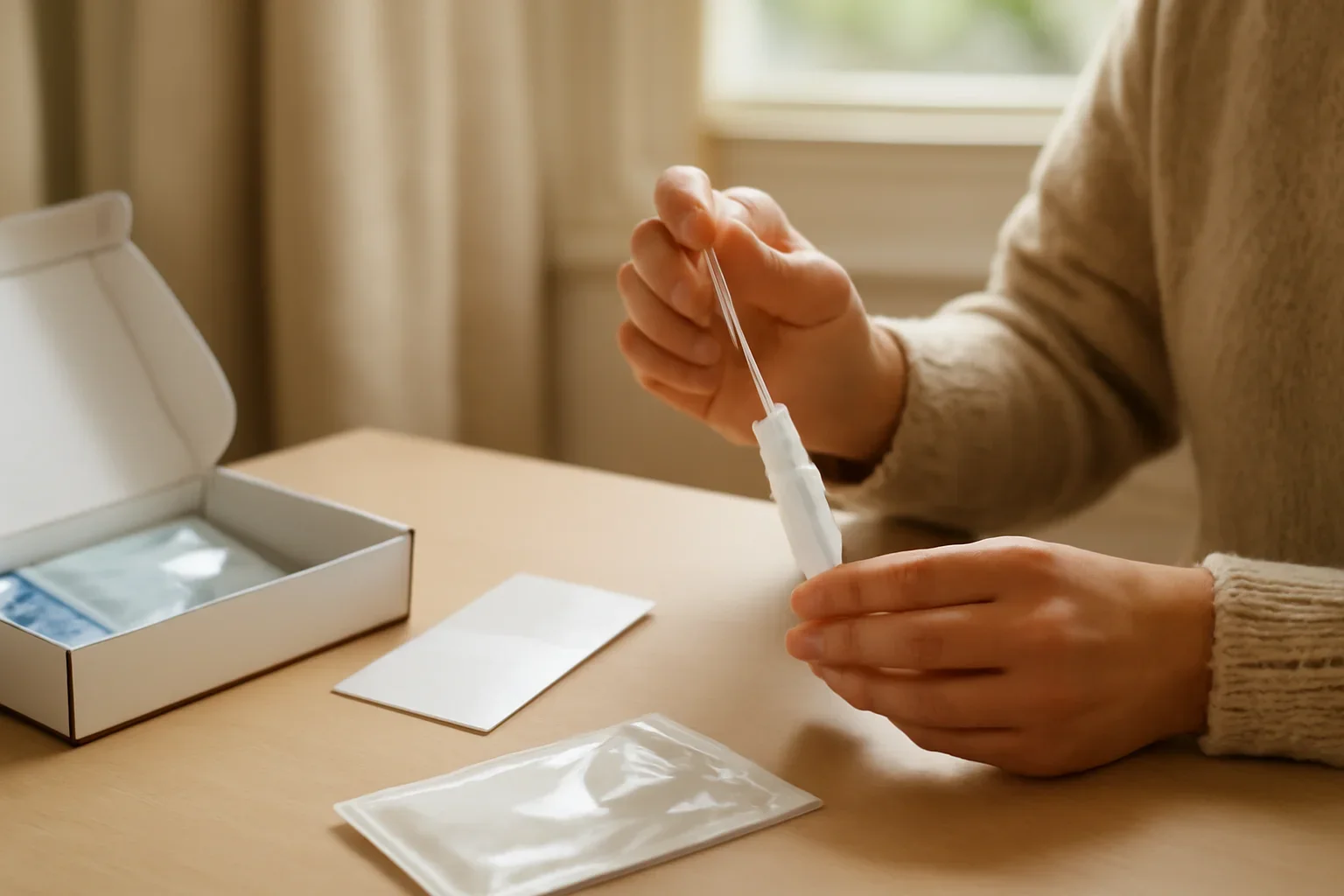
Yes, where an applicable postal or courier service can serve the address. MicrobiomeTest.ca currently accepts orders for Canadian urban, rural and remote addresses subject to postal or courier availability. The basic process is the same: order the kit, receive it, collect the required stool sample at home, package it according to the instructions, return it to the specified laboratory and access the report after processing.
What changes outside major urban centres is mostly logistics. Remote destinations may require additional transit time, different parcel pickup arrangements or more careful planning around the sample-return journey. Confirm the delivery and return process for your exact address before you collect the sample.
The laboratory science does not become different because you live outside Toronto, Vancouver, Montréal or Calgary. The practical route between your home and the laboratory is what deserves extra attention.
Rural and remote destinations can have different delivery standards from major urban centres. Distance, transportation frequency and carrier availability can all affect when a parcel arrives.
Receiving the kit is only half of the mail-in process. Before collecting, know where the completed sample must go, how it must be packaged and which return method applies to your specific kit.
Snowstorms, wildfire conditions, flooding, aviation interruptions and other network problems can affect Canadian parcel movement. Current carrier information matters more than a fixed blog-post delivery promise.

It can be tempting to open the kit and collect immediately. For someone in a remote community, a better sequence is to read the complete instructions first and understand the return route before opening the collection materials.
The instructions supplied with your individual kit take priority over general website advice. They explain how the sample should be collected, packaged, labelled, stored and returned.
“How long does a microbiome test take?” is really several timing questions. Remote customers should avoid combining them into one estimate.
The unused collection kit travels from the dispatch point to your Canadian delivery address.
You read the instructions, complete any required setup and collect the sample at home.
The packaged sample travels from your community to the laboratory using the return method specified for the kit.
Laboratory turnaround begins after an acceptable sample reaches the appropriate laboratory—not when the kit was originally ordered.
A rural or northern address affects the logistics around a mail-in kit. It should not change the scientific meaning or limitations of the selected consumer microbiome test.
Rural Canadian mail is not limited to one delivery format. Depending on the community, residents may use a civic address, rural route, community mailbox, postal box or another recognized postal arrangement.
Do not assume that every courier supports the same address type. If your normal receiving address is a PO box or another non-standard delivery arrangement, confirm that it is compatible with the shipping service used for the order before payment.
Enter the recipient name, complete delivery information, municipality, province or territory and postal code exactly as required for the address.
If that is how you normally receive parcels, verify compatibility before ordering rather than assuming a private courier and Canada Post use the same delivery rules.
Provide a working email address and telephone number in case the shipping team needs clarification about your order or delivery details.
Remote-address errors can create unnecessary delays. If you are unsure whether your normal community mailing address can be used for the selected delivery service, confirm it before ordering rather than trying to correct the shipment after dispatch.
A farm address outside Regina, a small community in Northern Ontario and a Nunavut destination can all be described as outside a major urban delivery corridor, but their transportation networks are not identical. That is why exact postal-code planning is more useful than one national delivery promise.
Rural addresses in British Columbia, Alberta, Saskatchewan, Manitoba, Ontario, Quebec and Atlantic Canada may be outside large urban parcel networks even when they are connected by road.
Confirm the actual delivery method rather than relying on the estimate someone received in the nearest large city.
Northern BC, northern Manitoba, northern Ontario, northern Quebec and Labrador include communities with very different transportation and postal realities.
Check the exact postal code, current carrier service and return route before deciding when to collect.
Territorial customers should pay particular attention to current destination availability and return planning. A Whitehorse or Yellowknife delivery experience should not automatically be used as the estimate for every Yukon, Northwest Territories or Nunavut community.
The answer depends on the instructions supplied with the kit. What you should avoid is collecting first and only then discovering that your normal return route is unavailable.
Canada Post publishes service alerts when weather or other conditions affect parts of its delivery network. Private couriers also maintain their own operational information. Checking the applicable carrier shortly before collection can be especially useful when your community has limited departures or severe weather is expected.
Collect only after reading the test-specific timing and storage instructions and understanding when you can hand the return package to the applicable carrier.
A current carrier alert is more useful than an old delivery estimate when severe weather or a transportation interruption is affecting your region.
Follow the storage and packaging instructions for the actual kit. Different collection systems can have different requirements, so a general blog article should not replace the enclosed instructions.
Rural and remote customers may receive parcels through a community mailbox, post office or another shared pickup arrangement. That makes ordinary parcel privacy worth considering alongside biological-data privacy.
Use the labels and identifiers required by the kit and carrier. Avoid adding unnecessary health details to the exterior of a package, and review how the provider handles account information and biological data before submitting a sample.
Review Privacy & DataUse an address where you can reliably receive or collect the kit rather than leaving a biological-testing order at an uncertain location.
Complete the sample labels, registration information and package identification exactly as directed by the kit.
The privacy question is larger than parcel delivery. Understand how personal and biological information is handled as part of the complete testing decision.
Previewing the report before ordering helps you decide whether the information is worth the additional delivery and return planning that may come with a remote address.
Preview the sample report arrow_forwardContacting support before checkout makes sense when a practical uncertainty could prevent the kit from completing its round trip.
Ask before ordering if you are unsure whether the selected shipping method supports your normal postal box, General Delivery, rural route or other receiving arrangement.
If the timing of outgoing parcels is important, confirm the practical return process before collecting the sample.
Do not guess about packaging, postage, storage or the laboratory return address. Resolve the question before sending the sample.
Contact support arrow_forwardThis article separates confirmed MicrobiomeTest.ca procedures from broader Canadian postal realities. Site-specific statements about at-home collection, rural and remote ordering, sample return and laboratory timing are based on the current MicrobiomeTest.ca shipping and How It Works pages.
Canada Post sources are used to explain why northern and remote destinations can require different delivery planning, how postal boxes are used and why current service alerts should be checked when weather or network interruptions may affect delivery.
Direct answers about remote delivery, sample return, northern addresses and mail-in microbiome testing.
MicrobiomeTest.ca currently accepts Canadian urban, rural and remote orders where the applicable postal or courier service is available. Check the shipping information for your actual address before ordering because availability and transit time can vary.
Northern addresses may be eligible where an applicable delivery service is available. Customers in Yukon, Northwest Territories, Nunavut and northern provincial communities should confirm their exact destination and sample-return process before ordering when timing is important.
It can. Canada Post recognizes northern and remote areas within its delivery standards, and MicrobiomeTest.ca notes that remote destinations may require additional transit time. Check current information for the actual postal code rather than assuming a fixed nationwide delivery period.
Do not assume every shipping service accepts the same address type. Canada Post supports postal-box addressing, but private courier requirements may differ. If you normally receive parcels through a PO box or General Delivery arrangement, confirm compatibility with the service being used before placing the order.
Read the complete kit instructions first. Understand the required collection, storage, packaging and return timing before choosing when to collect, especially if outgoing parcel service from your community is limited or temporarily disrupted.
Follow the storage and timing instructions supplied with your specific test and contact support if you are unsure how a delay affects the sample. Do not invent a different storage method based on general internet advice.
Your location does not change what the selected laboratory method is designed to analyze. Geography mainly affects delivery and sample-return logistics. Diet, medications, environment and many other factors can influence the microbiome itself, but a rural postal code does not create a different laboratory interpretation standard.
No. Kit-delivery transit and sample-return transit are separate from laboratory processing. Laboratory turnaround begins after the appropriate laboratory receives and accepts the returned sample.
No. The same limitation applies whether you live in downtown Toronto or a remote northern community. A consumer microbiome report is educational and should not replace appropriate medical assessment, diagnostic testing or treatment.
Confirm that your address can be served, understand how the completed sample will be returned and read the kit instructions before collecting. Planning the full journey first makes at-home microbiome testing easier when you live outside a major Canadian delivery corridor.