Gut Microbiota
Gut microbiota refers to microorganisms associated with the gastrointestinal environment. These communities are complex and can differ by location within the digestive tract.

A gut microbiome test analyzes biological material in a stool sample to provide information about microorganisms detected by the laboratory method being used. Consumer tests can help you explore bacterial composition, relative abundance and diversity-related information, but they are not a diagnostic shortcut or a universal score of how “healthy” your gut is. This guide explains what microbiome testing can show, what it cannot show, and how the at-home process works for Canadians.

A gut microbiome test is a laboratory analysis of a stool sample used to describe microorganisms or microbial DNA detected in that sample. The result is usually turned into a report showing information such as bacterial composition, relative abundance and diversity-related measures.
The important word is sample. A stool test provides a snapshot of material collected at one point in time. It does not directly examine every part of the digestive tract, identify every microorganism living in your body, diagnose why you have symptoms or establish one universally correct “balanced microbiome.”
Clear terminology prevents a consumer test from sounding more comprehensive than it really is.
Gut microbiota refers to microorganisms associated with the gastrointestinal environment. These communities are complex and can differ by location within the digestive tract.
“Microbiome” is commonly used more broadly to describe the microbial community and its genetic material within an environment. In consumer testing, the exact scope depends on the sample and analytical method.
A stool test examines material found in the submitted fecal sample. It is a practical way to study part of the intestinal microbial community, but it is not a direct sample from every gastrointestinal site.
Learn About Stool Microbiome Testing arrow_forward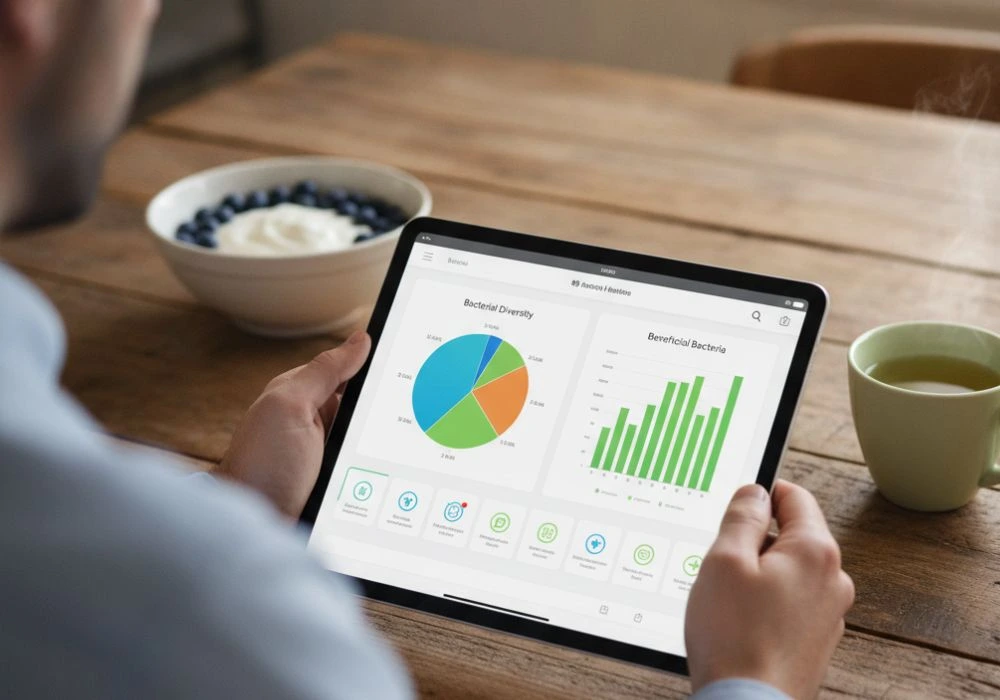
The exact answer depends on the test. The current MicrobiomeTest.ca process describes laboratory analysis of bacterial DNA from the submitted stool sample. That means this particular report should not be described as a complete inventory of every bacterium, fungus, virus and other microorganism throughout your digestive tract.
Depending on the provider and laboratory method, microbiome reports may organize findings at different taxonomic levels and may provide different levels of detail. Methodology matters when comparing one test with another.
Direct-to-consumer services can use different sequencing and analytical workflows. That is one reason two companies should not automatically be expected to produce identical reports from similar samples.
Some microbiome studies and testing workflows target a particular genetic marker, commonly a region of the bacterial 16S rRNA gene. This can be useful for describing bacterial community composition, but taxonomic resolution can vary depending on the method and database.
Species-level identification should therefore not be assumed simply because a test analyzes DNA.
Other workflows sequence DNA more broadly rather than targeting one marker gene. This can provide different taxonomic and functional information, but results still depend on DNA extraction, sequencing depth, reference databases, bioinformatics and reporting choices.
When comparing tests, look for a clear explanation of the laboratory method instead of assuming that every “DNA microbiome test” is equivalent.
A trustworthy explanation separates information produced by the test from conclusions the test cannot establish on its own.
The practical process is straightforward, but shipping, sample return and laboratory processing should be treated as separate stages.
Compare the sample type, report preview, scientific limitations, current price and shipping information before ordering.
The collection kit is delivered to the Canadian address supplied with the order, subject to the available postal or courier service.
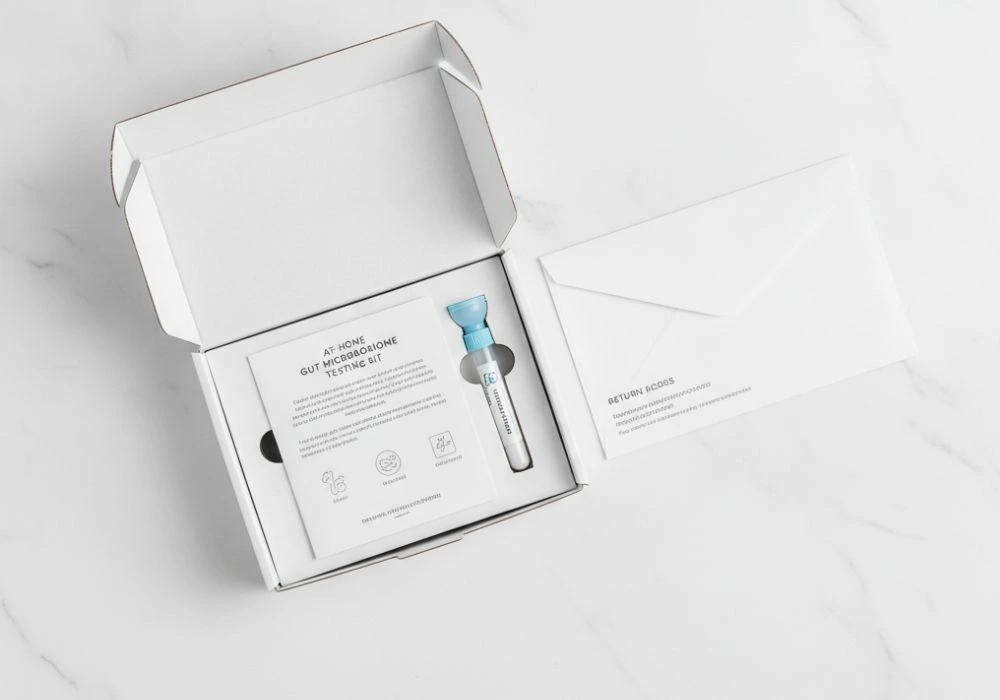
Read the instructions first, then use the supplied materials to collect the requested stool sample.
Package, label and send the sample using the return address and method specified inside the individual kit.
The indicative laboratory turnaround is currently 15–20 working days after the correct laboratory receives and accepts the sample. Transit time is separate.
The microbiome science does not change when someone moves from Vancouver to Toronto, Montréal, Calgary or Halifax. Canadian relevance is mostly about ordering, address accuracy, shipping, return logistics, privacy, pricing and access to appropriate healthcare.
MicrobiomeTest.ca currently states that Canadian urban, rural and remote orders are accepted subject to postal or courier availability. Remote destinations may require additional transit time, which is why the current delivery information should be checked before ordering when timing matters.
Review Canadian ShippingInclude the correct recipient, street address, unit number, city, province or territory and postal code.
Kit delivery and sample-return transit occur before laboratory processing can begin.
A stool test involves both personal information and a biological sample, so privacy practices deserve attention before checkout.
Review Privacy & Data arrow_forwardConsider the current kit price, shipping or return charges, report depth and available support—not only the headline price.
Compare Microbiome Test Costs arrow_forwardA consumer test makes the most sense when the goal is education rather than diagnosis. It can be useful for people who want to understand how a stool microbiome report is structured, see bacterial patterns in a sample or establish an informational reference point for their own learning.
The report can make bacterial names, relative abundance and diversity concepts more concrete than reading general microbiome articles alone.
A transparent report can help you judge whether the information is understandable and appropriately cautious.
The test is a better fit when you are comfortable treating the result as educational information rather than a medical verdict.
A consumer stool microbiome report is not the right tool for every gut question.
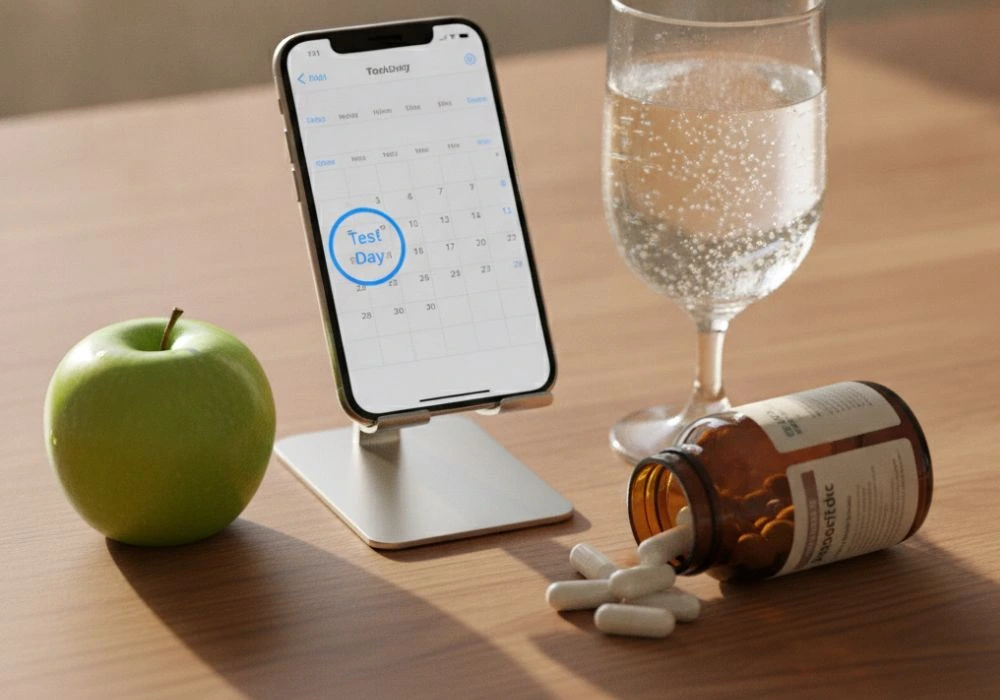
The safest rule is simple: follow the instructions supplied with your actual kit. Do not create your own preparation protocol from unrelated websites or another company's testing instructions.
Antibiotics can influence microbiome composition, but that does not justify inventing a universal waiting period. Do not stop or delay prescribed medication for a consumer test. If timing after antibiotics matters to your health question, discuss that question with an appropriate healthcare professional.
There is no single answer for everyone. Value depends on what you expect the test to accomplish.
A microbiome test may feel worthwhile if your goal is education and exploring a stool-sample report. It is poor value if you expect it to replace a medical diagnosis.
The physical collection materials are only one part of the purchase. Report readability, definitions, limitations and support can matter more after the sample is processed.
A responsible provider should make it reasonably clear what the test measures, what it does not measure, how the sample is handled and what the report is intended to mean.
Read the Full Worth-It Guide arrow_forwardMicrobiome science is real and rapidly developing, but research interest should not be turned into a promise that one consumer stool sample can diagnose disease or produce a complete personal-health prescription.
An international multidisciplinary consensus on microbiome testing noted that testing involves multiple stages—from sample collection and sequencing through computational analysis and interpretation—and that evidence supporting widespread clinical usefulness remains limited.
A peer-reviewed 2026 evaluation of seven direct-to-consumer gut microbiome services also found substantial differences both within and between providers when standardized fecal material was tested. That reinforces why analytical method, quality control and careful report interpretation matter.
Plain-language answers to the questions Canadians commonly ask before ordering an at-home gut microbiome test.
A gut microbiome test analyzes a biological sample—commonly stool—to provide information about microorganisms or microbial DNA detected by the laboratory method being used. Consumer reports may include bacterial composition, relative abundance and diversity-related information.
The current MicrobiomeTest.ca Gut Microbiome Test requires a small stool sample collected at home using the materials supplied with the kit.
No. The result depends on the submitted stool sample, DNA extraction, sequencing or analytical method, reference databases and reporting process. Stool also does not directly sample every microbial community throughout the digestive tract.
No. A consumer microbiome report should not be used by itself to diagnose IBS or determine why someone has abdominal or bowel symptoms.
It can describe patterns within the submitted sample, but there is no single universally accepted consumer-test definition of a perfectly “balanced” microbiome that applies to every person.
A bacterial abundance result alone does not establish that you need a probiotic or prove that one specific product will improve your health. Probiotic evidence can depend on the microorganism, strain, dose, population and outcome being studied.
Do not make a special diet change solely for testing unless the instructions supplied with your kit specifically tell you to do so. Follow the test-specific preparation instructions.
MicrobiomeTest.ca currently lists an indicative laboratory turnaround of 15–20 working days after the completed sample reaches the correct laboratory and is accepted for processing. Initial kit delivery and return-shipping time are separate.
No. The consumer report discussed here is intended for informational and educational use. It does not replace medical examination, diagnostic testing or professional treatment advice.
Check the sample type, laboratory method, report preview, limitations, current price, shipping and return process, privacy practices and available customer support before ordering.
Start with the sample type, testing process, report and limitations—not promises about a “perfect” gut. Once those details are clear, you can decide whether an educational microbiome test matches what you want to learn.